What Is a Bearing Extractor Tool
- Share
- Issue Time
- Jun 5,2026
What Is a Bearing Extractor Tool
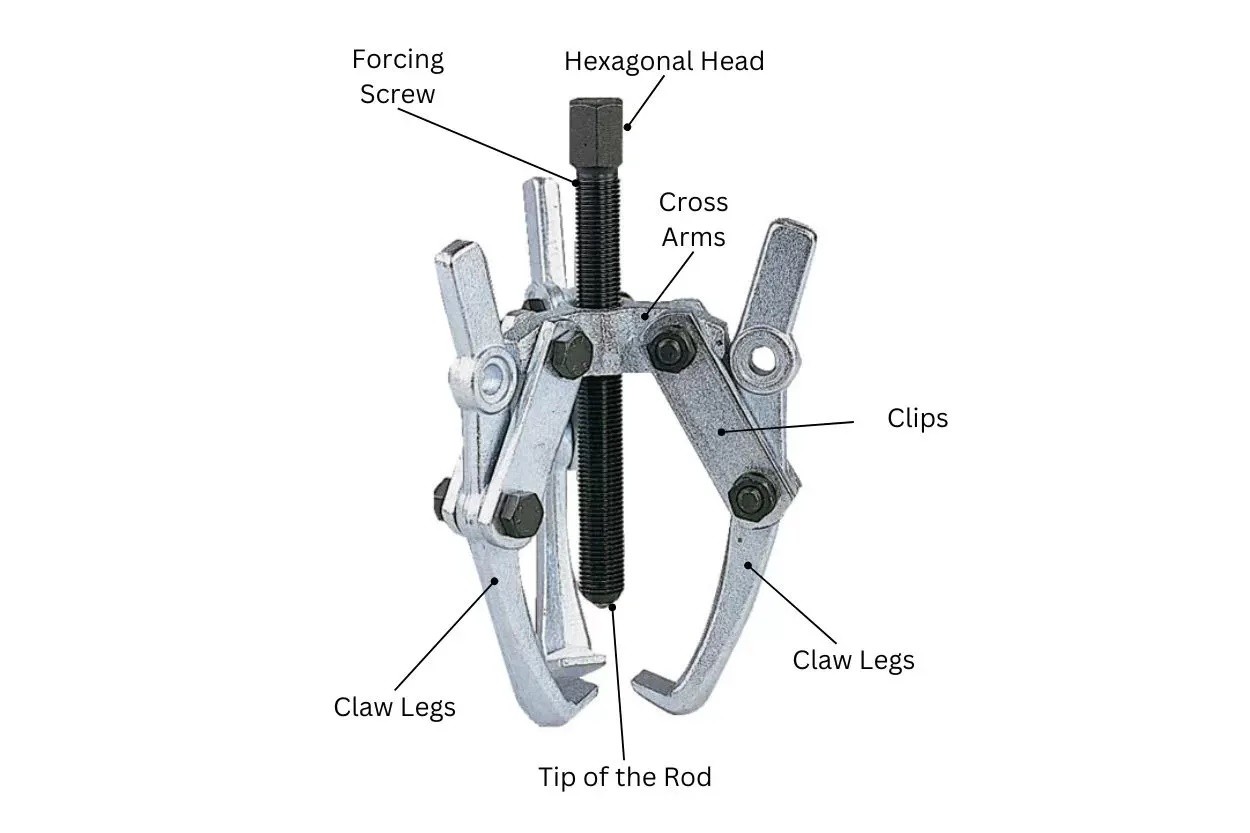
A bearing extractor tool is a specialized device used to remove bearings and other press‑fit components from shafts, housings, or blind bores without causing damage to surrounding parts. Bearings are often installed with an interference fit that resists simple manual removal, so a bearing extractor applies controlled force to walk the component off the shaft or out of a bore in a safe and efficient manner.
Purpose of a Bearing Extractor
Technicians use bearing extractor tools to remove bearings that are worn, damaged, seized due to corrosion, or simply require replacement during scheduled maintenance. By using a proper extractor, repair professionals prevent shaft or housing damage that can occur with improvised removal techniques like hammering or prying.
How a Bearing Extractor Tool Works
Bearing extractors work by gripping the bearing either from the inside diameter or from the outside surface, depending on the design. Once the tool is securely in place, force is applied through a mechanical screw, slide hammer, or hydraulic ram to pull the bearing straight off the shaft or out of the bore, ensuring controlled extraction without collateral damage.
Internal vs External Grip
Internal bearing extractors expand inside the bore of the bearing to create a secure grip. External extractors clamp onto the outside of the bearing or flange. Both designs aim to apply axial pulling force so the bearing can be removed cleanly along the shaft axis.
Types of Bearing Extractor Tools
Mechanical Bearing Extractors
Mechanical bearing extractors use a central forcing screw that is turned manually or with a wrench. As the screw advances, the jaws or collet apply pulling force to extract the bearing. This is the most common and versatile type used in workshops for a wide range of bearing sizes.
Slide Hammer Bearing Extractors
Slide hammer extractors use impact force generated by a sliding weight to dislodge bearings that are stuck or difficult to remove. This method can be helpful when simple mechanical force is insufficient.
Hydraulic Bearing Extractors
Hydraulic extractors use hydraulic pressure to generate high extraction force with minimal manual effort. These tools are ideal for large, heavy bearings and industrial applications where significant force is required.
Main Features to Consider
Grip Mechanism
The gripping mechanism determines whether the tool is suitable for internal or external extraction and how securely it can hold the bearing during removal.
Force Application Method
Force can be applied through manual screws, slide hammers, or hydraulic systems, each offering different levels of extraction power and suitability for various bearing sizes.
Material and Construction
High‑strength alloy steel construction improves durability and ensures the extractor withstands repeated use in professional automotive and industrial environments.
Common Applications
Bearing extractor tools are widely used in automotive repair for removing wheel bearings, gearbox and transmission bearings, engine accessory bearings, and pulleys. They are also important in industrial maintenance for electric motors, pumps, conveyor systems, and heavy machinery where bearings often require safe and efficient removal during servicing or replacement.
Benefits of Using a Bearing Extractor Tool
Prevents Damage
By applying controlled extraction force, these tools protect shafts, housings, and nearby components from damage during bearing removal.
Improves Efficiency
Using the right extractor reduces repair time and helps technicians complete bearing changes quickly, increasing workshop productivity.
Enhances Safety
Proper extractors minimize the need for unpredictable removal methods, reducing the risk of injury to technicians and damage to valuable parts.
Summary
A bearing extractor tool is an essential mechanical device for removing bearings and other press‑fit components safely and efficiently. Whether for automotive, industrial, or heavy‑duty applications, the correct extractor improves maintenance quality, protects machinery parts, and streamlines repair operations.