Main Components of a Bearing Puller
- Share
- Issue Time
- Jun 6,2026
Main Components of a Bearing Puller
A bearing puller is a specialized tool designed to remove bearings, gears, pulleys, hubs, and other press-fit components from shafts or housings. Whether mechanical or hydraulic, every bearing puller relies on several key components working together to generate controlled extraction force. Understanding these components helps technicians choose the correct puller and perform safer, more efficient maintenance operations.
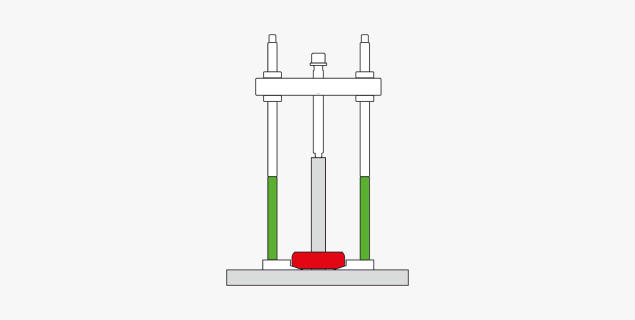
How the Components Work Together
The jaws grip the component, the cross beam holds the structure together, and the forcing screw or hydraulic ram generates extraction force. Each component plays a critical role in ensuring stable, controlled, and damage-free bearing removal.
Puller Jaws (Arms or Legs)
The puller jaws are the gripping elements of the tool. They hook behind the bearing, gear, or pulley and transfer extraction force from the puller to the component being removed. Depending on the design, a puller may feature two jaws, three jaws, or reversible jaws for internal and external pulling applications.
Functions of Puller Jaws
- Grip the component securely during extraction
- Distribute pulling force evenly
- Maintain stability throughout the removal process
- Adapt to different component sizes and shapes
Central Forcing Screw
The forcing screw is the primary force-generating component in a mechanical bearing puller. As the screw is tightened, it presses against the shaft center while simultaneously pulling the jaws and the attached component outward. The forcing screw converts rotational torque into axial extraction force.
Key Benefits
- Provides controlled extraction force
- Reduces the risk of component damage
- Allows gradual and precise removal
- Improves extraction efficiency
Cross Beam or Yoke
The cross beam, also known as the yoke, connects the puller jaws to the forcing screw. It serves as the structural framework of the puller and helps distribute pulling force evenly across all jaws.
Functions of the Cross Beam
- Supports the overall puller structure
- Maintains jaw alignment
- Ensures balanced force distribution
- Improves extraction stability
Hydraulic Cylinder (Hydraulic Pullers)
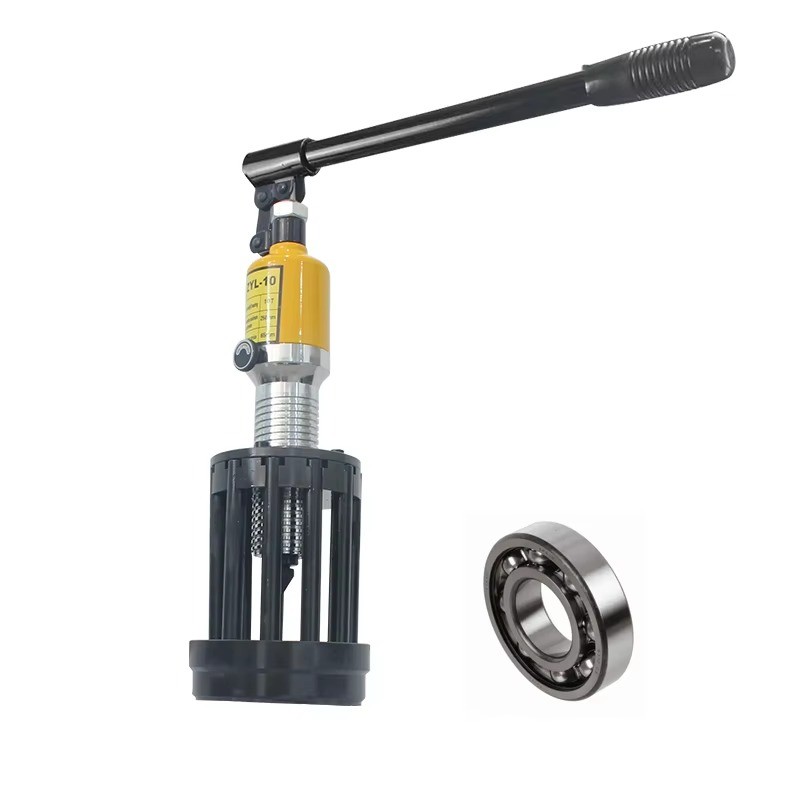
Hydraulic bearing pullers replace the traditional forcing screw with a hydraulic cylinder or ram. Hydraulic pressure generates significantly higher extraction force while reducing manual effort. These systems are commonly used for large bearings, industrial machinery, and heavy truck maintenance applications.
Advantages of Hydraulic Systems
- Higher pulling capacity
- Reduced technician fatigue
- Smoother extraction process
- Suitable for seized or oversized bearings
Hydraulic Pump
In larger hydraulic puller systems, a hydraulic pump supplies pressure to the cylinder. Pumps may be manually operated, air-powered, or electrically driven depending on the application and required extraction force.
Pump Types
- Manual hand pumps
- Pneumatic hydraulic pumps
- Electric hydraulic pumps
- Integrated self-contained hydraulic systems
Jaw Adjustment Mechanism
The jaw adjustment mechanism allows technicians to reposition the puller arms according to the diameter and shape of the component being removed. Proper adjustment improves gripping security and extraction balance.
Benefits of Adjustable Jaws
- Supports multiple bearing sizes
- Improves pulling stability
- Increases tool versatility
- Enhances operator safety
Safety Tip or Protective Point
Many professional bearing pullers include a hardened protective tip or floating center point on the forcing screw. This component protects the shaft center and helps maintain alignment during extraction.
Main Functions
- Protects shaft surfaces
- Improves puller alignment
- Reduces wear on the forcing screw
- Minimizes slippage during operation
Optional Accessories
Bearing Separator
A bearing separator can be combined with a puller when there is limited clearance behind the bearing. The separator creates a gripping surface where standard jaws cannot reach.
Slide Hammer Attachment
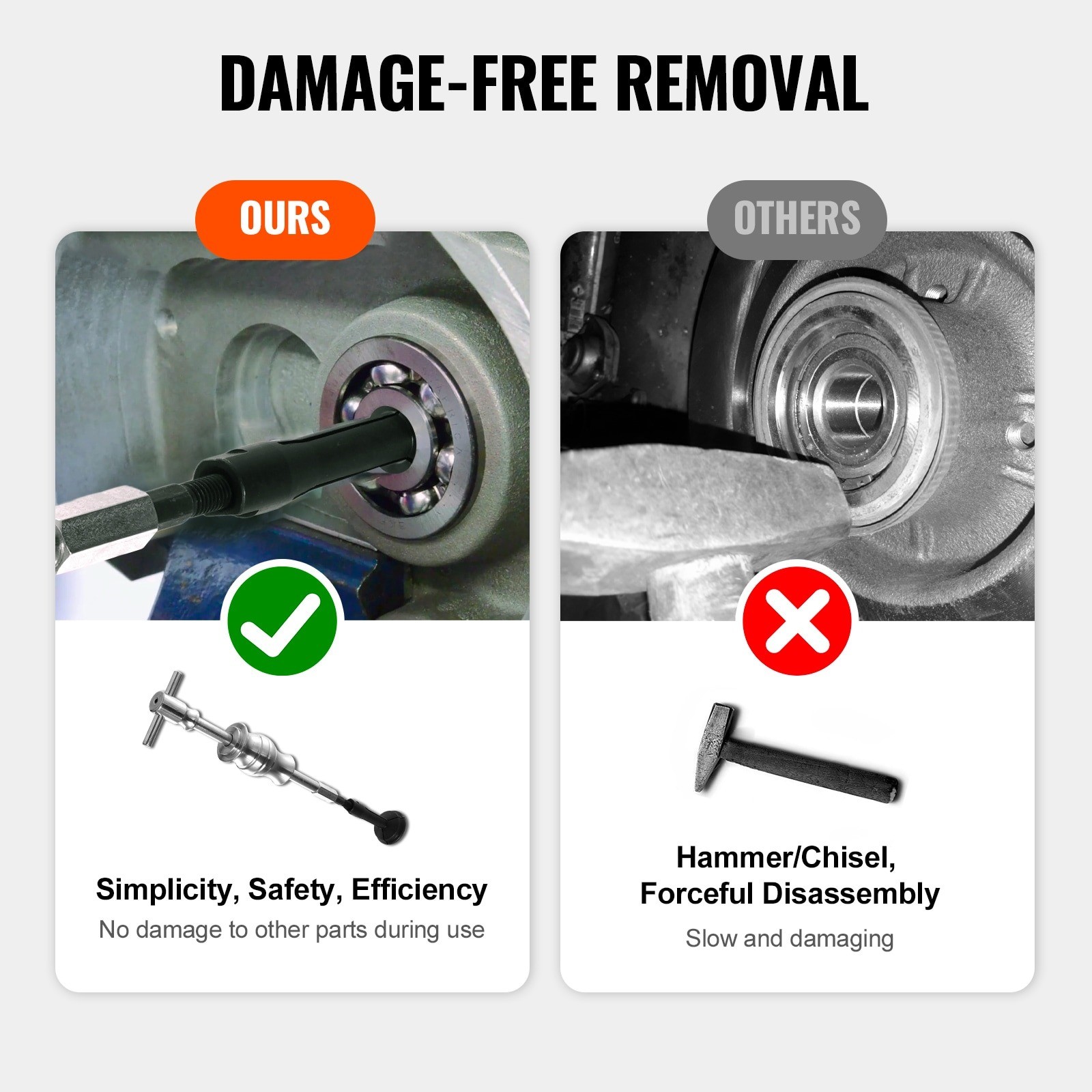
Internal bearing pullers often use slide hammers to generate impact extraction force for blind-hole bearings and recessed components.
Extension Rods and Adapters
Extensions and adapters allow the puller to service different bearing sizes, depths, and extraction requirements.
Component Overview Table
| Component | Primary Function |
|---|---|
| Puller Jaws | Grip the bearing or component |
| Forcing Screw | Generates extraction force |
| Cross Beam / Yoke | Supports structure and distributes force |
| Hydraulic Cylinder | Provides hydraulic pulling force |
| Hydraulic Pump | Supplies hydraulic pressure |
| Jaw Adjustment Mechanism | Adjusts puller size and positioning |
| Safety Tip | Protects shaft and improves alignment |
Summary
The effectiveness of a bearing puller depends on the coordinated operation of its jaws, forcing mechanism, support structure, and optional accessories. Understanding these main components helps technicians select the appropriate tool, improve extraction efficiency, and reduce the risk of damage during automotive, industrial, and heavy-duty maintenance operations.