How Puller Arms and Jaws Work
- Share
- Issue Time
- Jun 25,2026
How Puller Arms and Jaws Work
Puller arms and jaws are the primary gripping and load-transferring components of a bearing puller, gear puller, or pulley puller. The jaws engage the component being removed, while the arms transfer extraction force from the puller head to the jaw tips. Their design directly affects gripping stability, load distribution, working reach, safety, and removal efficiency.
The Basic Working Principle
A puller creates two opposing forces. The forcing screw or hydraulic ram pushes against the shaft center, while the jaws grip behind the bearing, gear, pulley, or hub. As the screw advances or the hydraulic ram extends, the arms pull the jaws toward the puller head and move the component away from the shaft.
What Are Puller Arms?
Puller arms, also called puller legs, connect the jaws to the cross head, yoke, or puller body. They act as structural load paths that carry extraction force from the center of the tool to the gripping points behind the component.
Main Functions of Puller Arms
- Transfer pulling force to the jaws
- Maintain the position of the jaws during extraction
- Determine the available reach and spread
- Help keep the puller aligned with the shaft
- Resist bending and fatigue under repeated loads
What Are Puller Jaws?
Puller jaws are the hooked or shaped ends that make direct contact with the component being removed. They are normally positioned behind a bearing race, gear, pulley, sprocket, or hub so the extraction force acts on a secure pulling surface.
How the Jaw Tips Grip
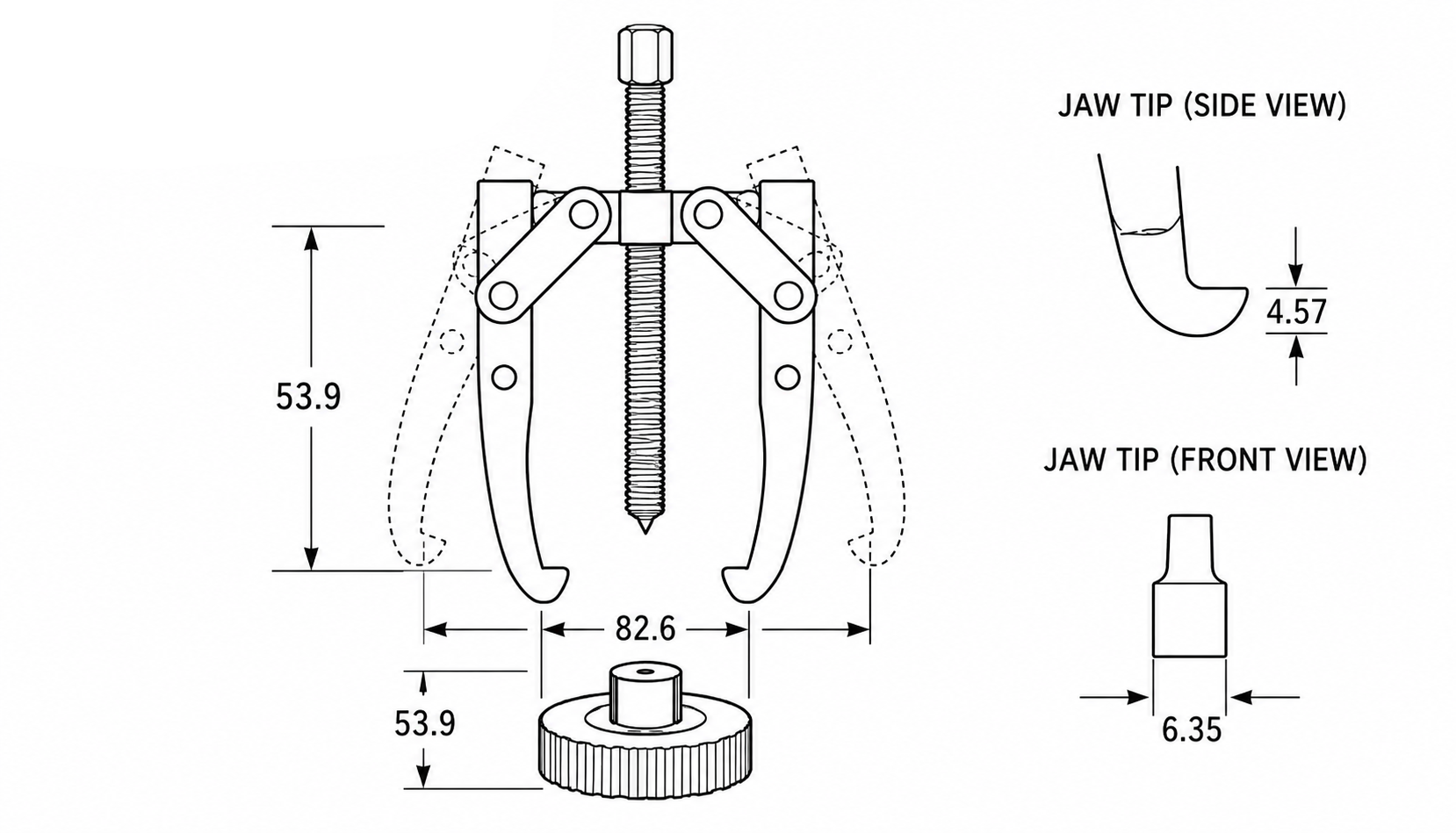
The jaw tips are inserted behind the component and adjusted until they make secure contact. As extraction force increases, the hooks pull against the rear surface of the component. Correct jaw placement helps prevent slipping, uneven loading, and damage to the shaft or surrounding housing.
Step-by-Step Pulling Process
Step 1: Select the Correct Puller
The puller must have sufficient spread, reach, and rated capacity for the component. A tool that is too small may not grip securely or withstand the required load.
Step 2: Position the Jaws
The jaws are placed evenly behind the component. Each jaw should contact a strong and stable pulling surface rather than a fragile edge, seal, or thin flange.
Step 3: Align the Center Screw
The forcing screw or hydraulic ram is aligned with the centerline of the shaft. Accurate alignment reduces side loading and helps the component travel straight during removal.
Step 4: Apply Extraction Force
As the forcing screw is tightened or hydraulic pressure is applied, the arms transfer the load to the jaws. The jaws pull the component outward while the center mechanism pushes against the shaft.
Step 5: Monitor Jaw Stability
The operator should confirm that all jaws remain fully engaged and that the puller stays centered. If a jaw begins to slip or the arms bend unevenly, force should be released and the setup corrected.
Two-Jaw Puller Arms
A two-jaw puller uses two opposing arms positioned on opposite sides of the component. Its narrower configuration requires less surrounding clearance, making it useful in confined assemblies where a third arm cannot be installed.
Advantages of Two-Jaw Designs
- Fits into relatively narrow working spaces
- Faster to position around compact assemblies
- Lower weight and simpler construction
- Suitable for many small bearings, gears, and pulleys
Limitations of Two-Jaw Designs
Because the load is carried through two contact points, each jaw may experience greater stress. Two-jaw pullers can also be more sensitive to poor alignment and may be more likely to tilt or slip if the jaws are not positioned evenly.
Three-Jaw Puller Arms
A three-jaw puller uses three arms spaced around the component. The additional contact point improves centering and distributes extraction force more evenly, which can provide a more stable grip when sufficient working clearance is available.
Advantages of Three-Point Contact
- More even load distribution
- Improved self-centering capability
- Greater gripping stability
- Reduced risk of jaw slippage
- Better control when removing larger components
How Force Is Distributed Through the Arms
The total extraction load is shared by the puller arms. In an accurately centered setup, a three-jaw puller distributes the load across three gripping points, while a two-jaw puller distributes it across two. Actual loading can become uneven if the component is irregular, the jaws are positioned at different depths, or the center screw is misaligned.
Problems Caused by Uneven Loading
- Jaw slippage
- Bent puller arms
- Damaged bearing races or gear edges
- Side loading on the forcing screw
- Sudden or uncontrolled component release
Understanding Puller Reach and Spread
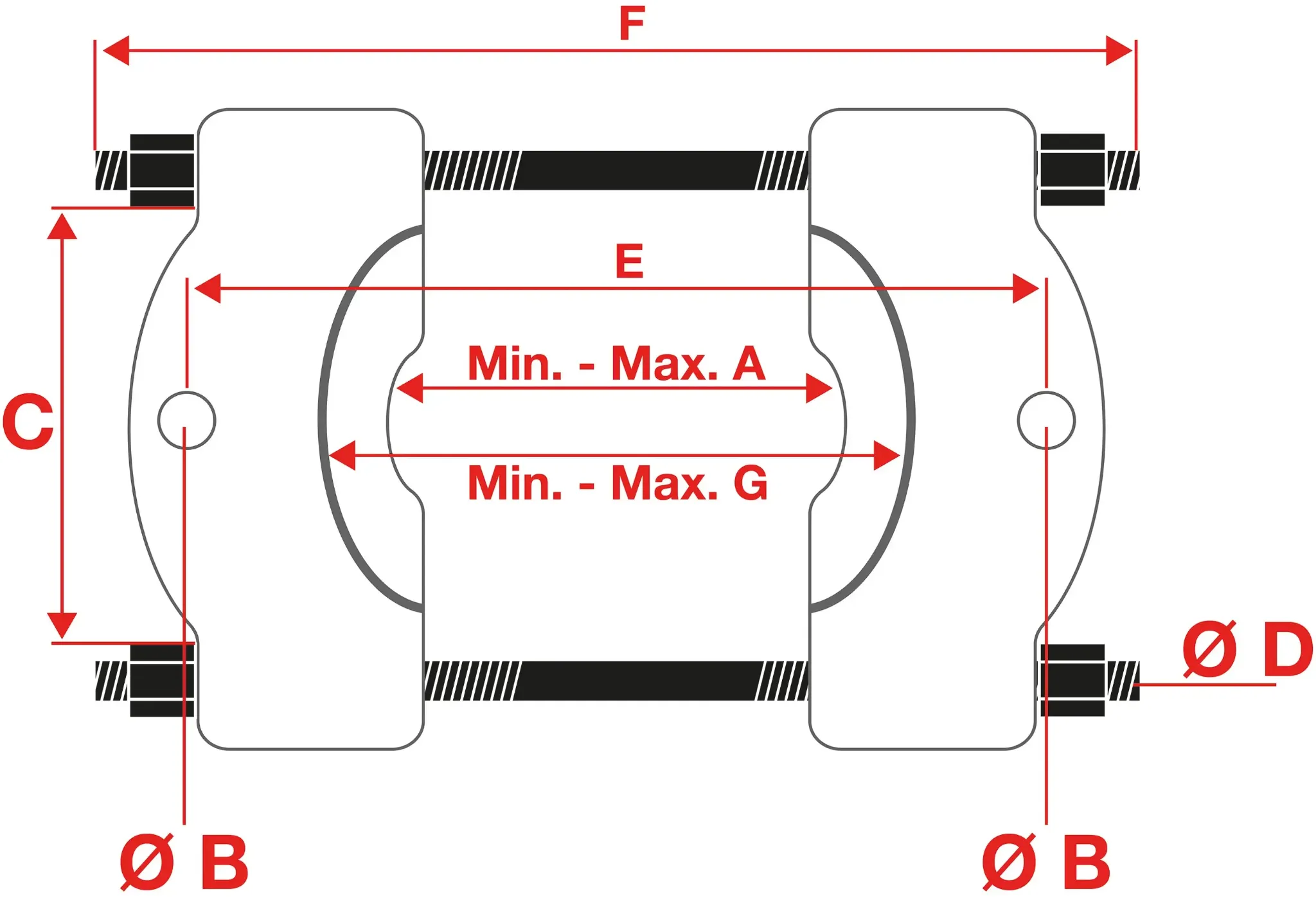
Reach and spread are two critical measurements used to determine whether puller arms and jaws can fit a specific component.
Puller Reach
Reach is the usable distance from the jaw gripping surface to the puller head. A longer reach allows the jaws to engage components positioned farther along a shaft or deeper inside an assembly.
Puller Spread
Spread describes the opening capacity of the jaws. The required spread depends on the outside diameter of the bearing, gear, pulley, or hub being removed.
| Dimension | What It Describes | Why It Matters |
|---|---|---|
| Reach | Distance from the jaw tip to the puller head | Determines how deeply the jaws can engage |
| Spread | Opening range between the jaws | Determines the component diameter the puller can grip |
Self-Centering and Locking Jaw Systems
Some professional pullers use synchronized, caged, or self-centering arm systems. These mechanisms move the jaws together and help maintain consistent contact around the component. Locking systems can also prevent the jaws from opening unexpectedly as pulling force increases.
Benefits of Self-Centering Jaws
- Faster and more consistent setup
- Improved centerline alignment
- More balanced force distribution
- Reduced risk of jaw movement
- Safer operation under high extraction loads
Common Jaw Configurations
External Jaws
External jaws hook behind the outside of a bearing, gear, pulley, or hub mounted on a shaft. They are the most common configuration for general extraction work.
Internal Jaws
Internal jaws or expanding collets engage the inside diameter of a bearing or bore. They are used when the outside of the component is inaccessible.
Reversible Jaws
Reversible jaws can be repositioned to perform either external or internal pulling. This configuration increases versatility and reduces the number of separate pullers required in a workshop.
Narrow Jaws
Narrow jaw tips are designed for applications with limited clearance behind the component. They can reach into gaps that standard jaw profiles cannot access.
Long-Reach Jaws
Long-reach jaws are used for components mounted deep on shafts or inside assemblies. Because longer arms experience greater bending stress, the puller must be correctly rated for the required load.
Materials and Manufacturing Requirements
Puller arms and jaws must combine high strength with sufficient toughness. Professional components are commonly produced from forged and heat-treated alloy steel to improve resistance to bending, impact loading, surface wear, and repeated fatigue cycles.
Important Manufacturing Features
- Forged load-bearing components
- Controlled heat treatment
- Hardened jaw contact surfaces
- Precision-machined pivot and mounting points
- Smooth arm adjustment without excessive clearance
Two-Jaw vs Three-Jaw Pullers
| Feature | Two-Jaw Puller | Three-Jaw Puller |
|---|---|---|
| Working Clearance | Requires less surrounding space | Requires more surrounding space |
| Load Distribution | Two contact points | Three-point distribution |
| Centering | More dependent on careful setup | Generally easier to center |
| Grip Stability | Good when correctly positioned | Typically more stable |
| Best Application | Confined spaces and compact assemblies | Balanced removal of accessible components |
How to Position Puller Jaws Correctly
- Use the largest practical pulling surface behind the component
- Position every jaw at the same depth
- Align the forcing screw with the shaft centerline
- Confirm that the jaw hooks are fully engaged
- Avoid gripping thin, damaged, or brittle edges
- Apply force gradually while monitoring the setup
- Do not exceed the rated capacity of the puller
Common Applications
Puller arms and jaws are used during bearing removal, gear extraction, pulley service, wheel hub repair, transmission rebuilding, electric motor maintenance, heavy truck drivetrain repair, and industrial machinery servicing. Selecting the correct jaw configuration helps improve repair efficiency while reducing the risk of tool or component damage.
Summary
Puller arms transfer extraction force from the puller head, while the jaws grip the component being removed. Effective operation depends on secure jaw engagement, correct centerline alignment, sufficient reach and spread, and balanced force distribution. Two-jaw pullers provide better access in confined spaces, while three-jaw pullers generally offer improved centering and gripping stability. For professional applications, forged and heat-treated arms and jaws provide the strength, toughness, and fatigue resistance needed for reliable bearing, gear, pulley, and hub removal.