- Ningbo Dongning Tools Co.,Ltd
- Professional Chinese Tools manufacturer on automotive speciality tools,bearing puller&heavy truck tools
- Address
- No.6 Falan Rd,Hengjie Town,Ningbo City,Zhejiang,China
- Phone
- +86-574-87216625
- info@nbdntools.com

Wheel hub bearing pullers are specialized tools used to remove wheel hubs, hub assemblies, bearing races, and press-fitted wheel bearings from vehicle suspension and axle systems. They are widely used in automotive workshops, fleet maintenance facilities, truck repair centers, and professional service garages where controlled hub and bearing removal is required.
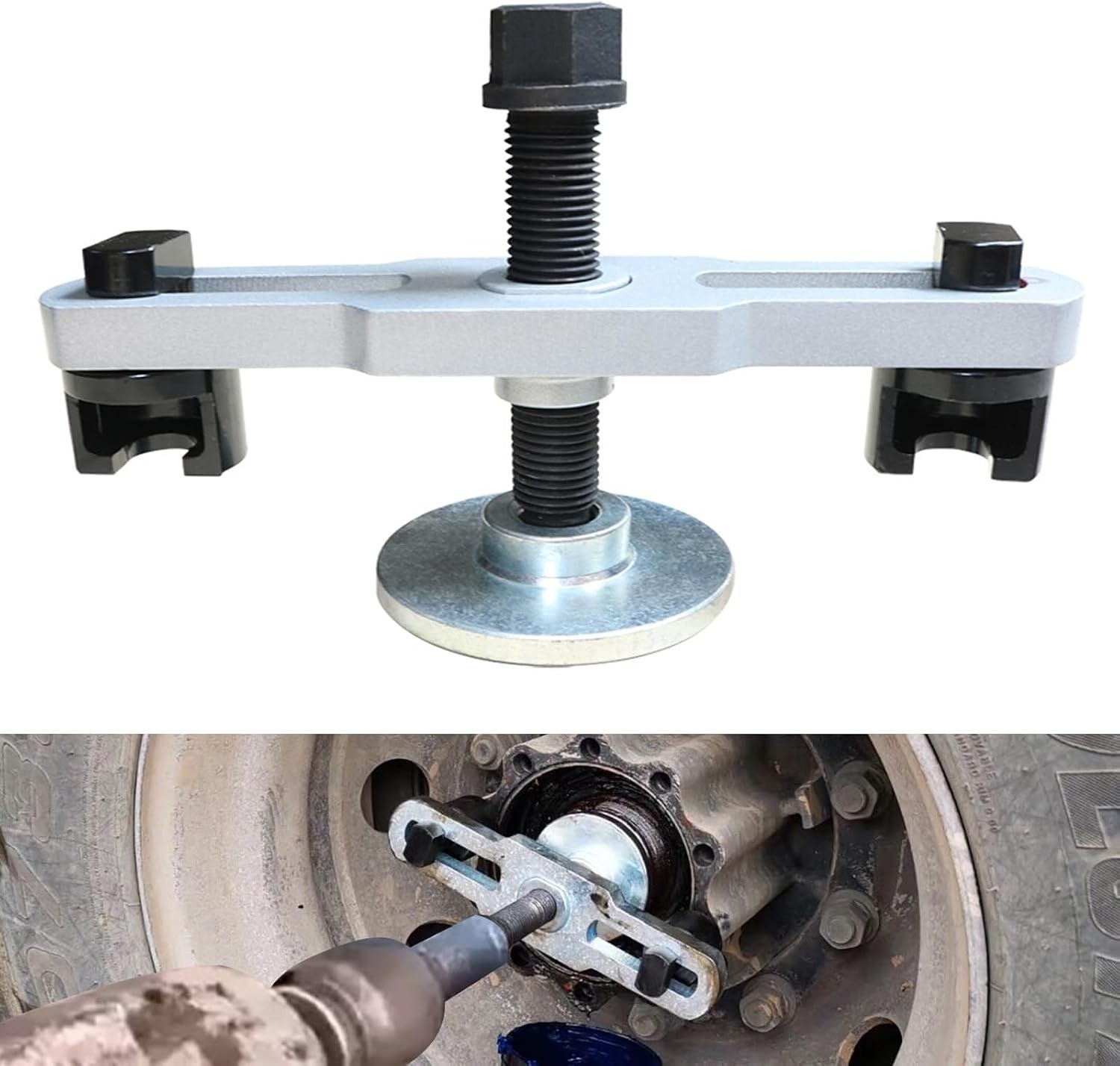
Wheel hub bearings are exposed to road salt, water, brake heat, vibration, impact loads, and long mileage. Over time, corrosion and fretting can make the hub or bearing difficult to separate from the knuckle or axle assembly. A wheel hub bearing puller applies controlled force through the correct contact points, making removal safer, cleaner, and more predictable.
Wheel hub bearing pullers are commonly used in passenger cars, SUVs, vans, pickups, light commercial vehicles, and some heavy-duty applications. Their exact function depends on the wheel-end design and service procedure.
Front-wheel-drive vehicles commonly use press-fit hub and bearing systems. In many designs, the hub is pressed into the wheel bearing, and the bearing is pressed into the steering knuckle. A wheel hub bearing puller or hub press kit can help technicians separate the hub from the bearing and remove the bearing from the knuckle with controlled force.
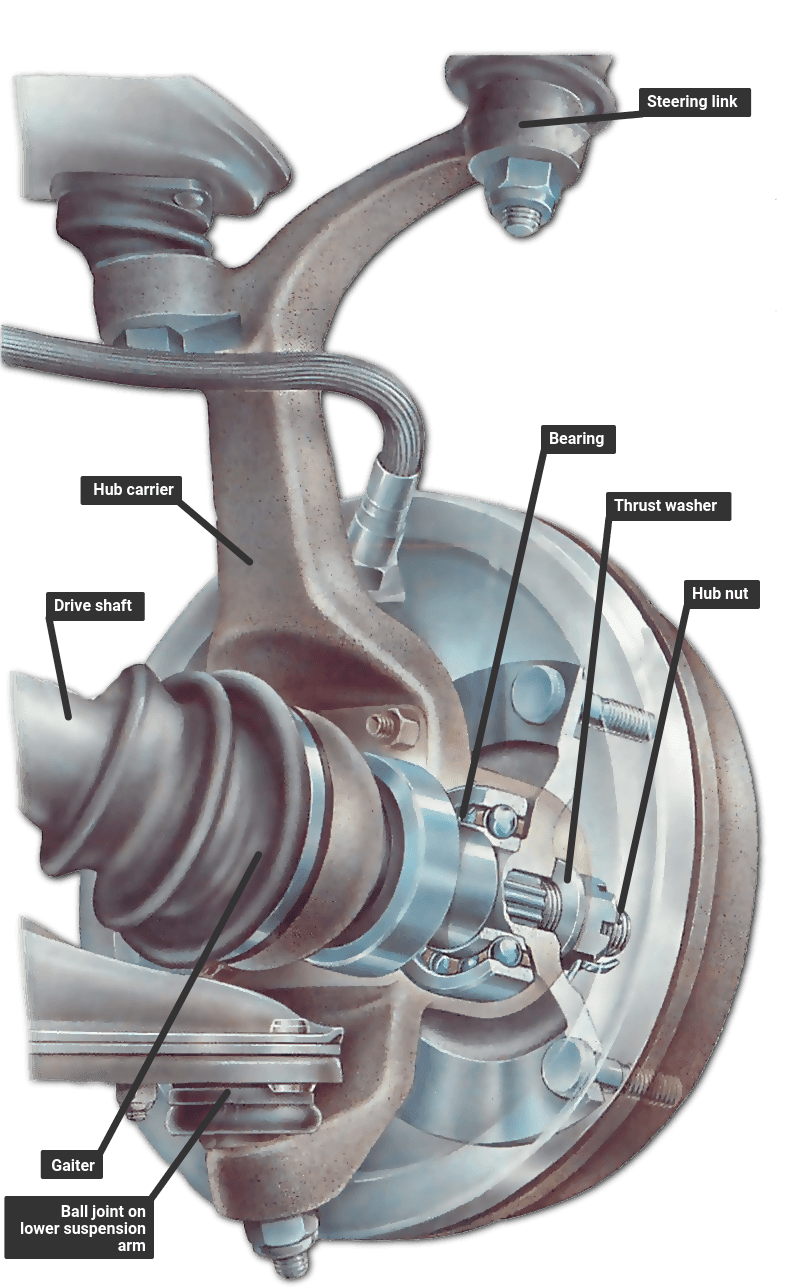
Many modern vehicles use bolt-on hub assemblies. These units are attached to the knuckle or axle housing with bolts, but corrosion can cause the hub to seize in place even after all fasteners are removed. A hub puller can attach to the wheel studs or hub flange and apply outward force to remove the seized unit without excessive hammering.
Some vehicles require the wheel bearing itself to be pressed out of the knuckle. A hub bearing puller and installer kit may include cups, sleeves, threaded rods, thrust bearings, and press plates to remove and install bearings while the knuckle remains on the vehicle.
In front-wheel-drive and all-wheel-drive vehicles, the CV axle spline passes through the wheel hub. Rust, corrosion, or thread damage can make the axle difficult to separate from the hub. Some hub pullers and press tools are used to push the axle shaft inward through the hub while keeping force centered.
Pickups and light commercial vehicles often use larger hubs, stronger axle components, and higher clamping loads than passenger cars. Wheel hub bearing pullers used in these applications must provide higher force and stronger connection points.
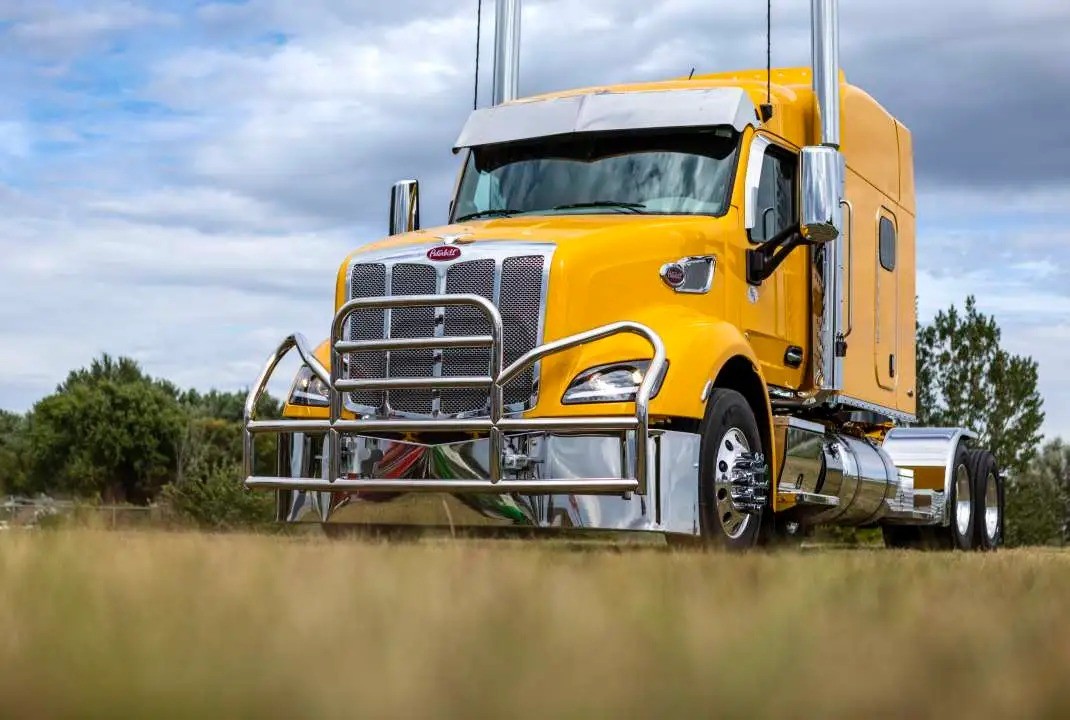
Heavy truck and trailer wheel ends often use large tapered roller bearings, hub assemblies, seals, and axle components. While some heavy-duty wheel bearings can be serviced after removing the retaining nut, bearing races, seals, and seized components may still require pullers, drivers, or hydraulic tools.
After the hub is removed, bearing races or cups may remain inside the hub or on the spindle. A bearing race puller, separator, or dedicated race removal tool may be required to remove these components without damaging the hub bore or bearing seat.
Modern wheel ends often include ABS sensors, tone rings, brake dust shields, brake calipers, and electronic parking brake components near the hub assembly. Improvised removal methods can easily damage these parts. Controlled puller force helps protect sensitive components while keeping the service process more predictable.
One of the key benefits of many wheel hub bearing puller kits is the ability to service the hub and bearing while the steering knuckle remains installed on the vehicle. This can reduce labor time and avoid disturbing suspension geometry in certain procedures.
Although the terms are sometimes used interchangeably, hub pullers and wheel bearing press kits do not always perform the same function. A hub puller is typically used to remove the hub or hub flange from the axle, bearing, or knuckle. A wheel bearing press kit is used to press the wheel bearing in or out of the steering knuckle.
| Tool Type | Main Function | Typical Use |
|---|---|---|
| Hub Puller | Removes hub or hub flange | Stuck hub assembly removal |
| Wheel Bearing Press Kit | Presses bearing in or out of knuckle | Press-fit bearing replacement |
| Slide Hammer Hub Puller | Applies impact extraction force | Stubborn hub flange removal |
| Hydraulic Hub Puller | Generates high controlled pulling force | Large, seized, or heavy-duty hubs |
Wheel hub bearing pullers may use manual screw force, slide hammer force, or hydraulic pressure. The best choice depends on vehicle type, hub design, corrosion level, and required extraction force.
| Tool Type | Best Application | Main Advantage |
|---|---|---|
| Manual Hub Puller | Standard hub removal | Simple and portable |
| Slide Hammer Hub Puller | Stuck hubs with accessible flange | Impact removal force |
| Hub Press Kit | Press-fit bearing removal and installation | Controlled on-car service |
| Hydraulic Hub Puller | Large, seized, or heavy-duty hubs | High force with lower operator effort |
| Bearing Race Puller | Race or cup removal | Precision extraction |
Before selecting a tool, technicians should identify the wheel-end structure and service requirement. The correct tool depends on vehicle type, hub design, bearing installation method, available access, adapter compatibility, and required force.
Incorrect hub bearing removal can damage expensive wheel-end components and cause premature failure after installation. Proper tool selection and alignment are as important as pulling capacity.
Wheel-end components affect ride quality, braking stability, ABS operation, steering accuracy, and vehicle safety. A damaged bearing seat, distorted hub flange, or incorrectly installed bearing can cause noise, vibration, premature bearing failure, wheel speed sensor faults, or unsafe wheel-end operation.
A wheel hub bearing puller is used to remove wheel hubs, hub flanges, hub assemblies, axle splines, bearing races, and press-fitted wheel bearings from vehicle wheel-end systems.
Some kits can. A standard hub puller may only remove the hub, while a full hub bearing press kit can remove and install press-fit wheel bearings using adapters and sleeves.
On some vehicles, yes. On-car hub bearing service kits are designed to remove and install bearings while the knuckle remains installed. However, vehicle-specific repair procedures should always be followed.
Yes, a slide hammer can help remove stubborn hub flanges or hub assemblies when attached to the correct adapter. However, excessive impact can damage surrounding components if used incorrectly.
A hub puller removes the hub or hub assembly. A bearing race puller removes bearing races or cups that remain inside the hub or on a shaft after disassembly.
Hydraulic pullers are useful for large, seized, corroded, or heavy-duty hubs. For smaller passenger-car applications, a manual hub puller or press kit may be sufficient.
Wheel hub bearing pullers are used to remove hubs, hub flanges, axle splines, press-fit wheel bearings, bearing races, and wheel-end assemblies in passenger cars, SUVs, pickups, light commercial vehicles, trailers, and heavy trucks. Their main purpose is to apply controlled force through the correct contact points, reducing damage to the knuckle, axle shaft, hub bore, ABS sensor, brake components, and bearing seat.
Professional wheel-end repair often requires more than one tool type, including manual hub pullers, slide hammer adapters, hub press kits, hydraulic pullers, and bearing race removal tools. Selecting the correct tool based on vehicle design, bearing type, available access, and required force improves repair efficiency and helps ensure safe, accurate wheel bearing service.