Bearing Pullers for Transmission Repair
- Share
- Issue Time
- Jul 17,2026
Use a puller that matches the bearing location and access: a jaw puller for exposed shaft-mounted parts, an internal puller for housing bores, a separator where no lip is available, and hydraulic force for large or seized assemblies. Identify whether the bearing is on a shaft, recessed in a case, behind a gear, or installed in a blind bore. The location determines the grip method before capacity is considered. Two- or three-jaw pullers can remove exposed bearings, gears, sleeves, and hubs when the jaws can seat squarely behind a solid pulling surface. Three jaws generally improve centering where clearance permits. A bearing separator creates a supported edge behind a tight race. Pair it with puller legs or a bridge so force travels along the shaft centerline instead of through the cage. Expanding collets and bridge pullers are suited to bearings located inside transmission housings. Match the collet range to the bore and use the vehicle repair procedure for any special steps. Hydraulic pullers help with large, corroded, or heavy-duty transmission components, but they still require a rated setup, stable support, and careful alignment. Do not pull on thin gear teeth, rolling elements, seals, or aluminum housing edges. Stop if jaws shift, the screw bends, or resistance rises beyond the tool rating. Inspect the shaft, bore, race seat, and retaining features after removal. Follow the manufacturer procedure for installation force, lubrication, torque, and bearing preload. For application guidance on workshop-ready puller tooling, contact DNT Tools.What Bearing Puller Is Best for Transmission Repair?
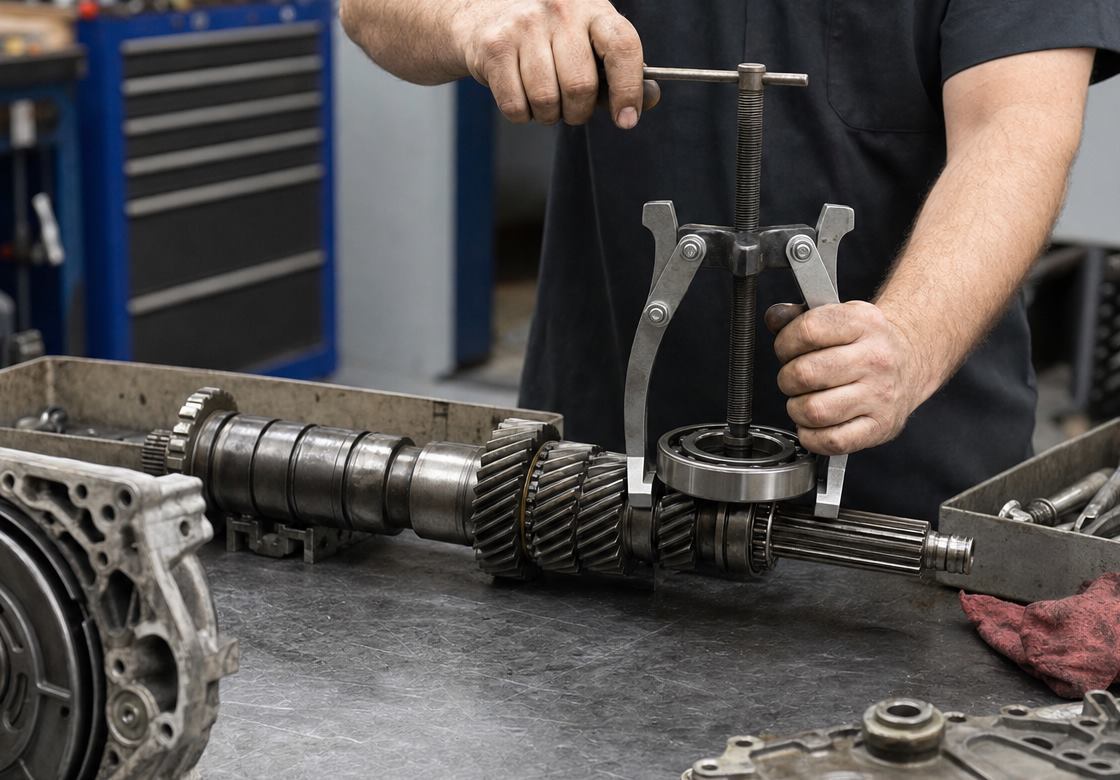
Start With the Bearing Location
Choose Jaw Pullers for Accessible Shaft Bearings
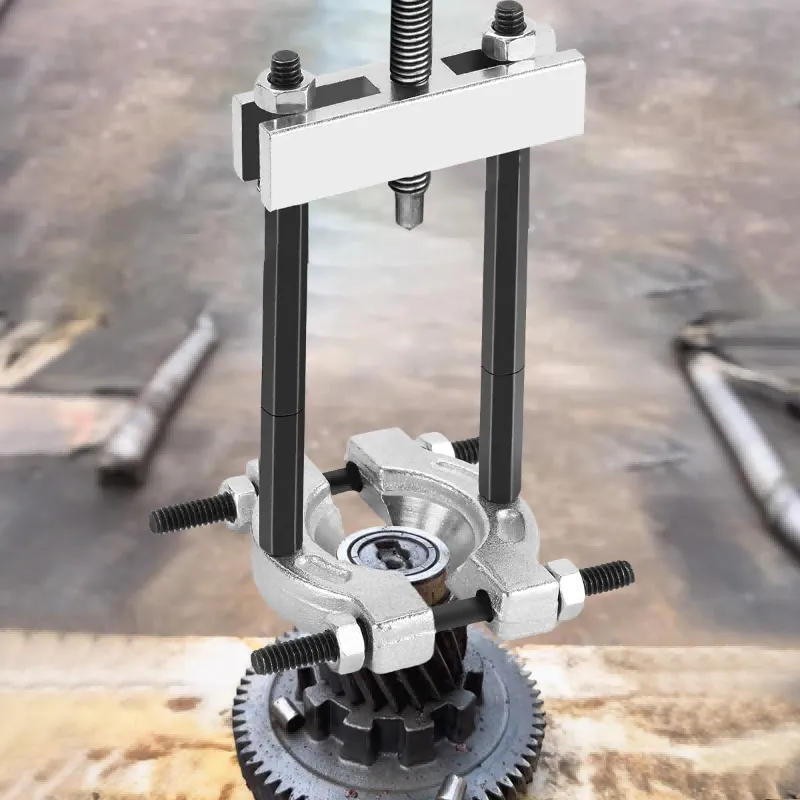
Use a Separator When There Is No Safe Jaw Lip
Use Internal or Blind-Hole Pullers for Case Bearings
Select Hydraulic Force for High-Load Jobs
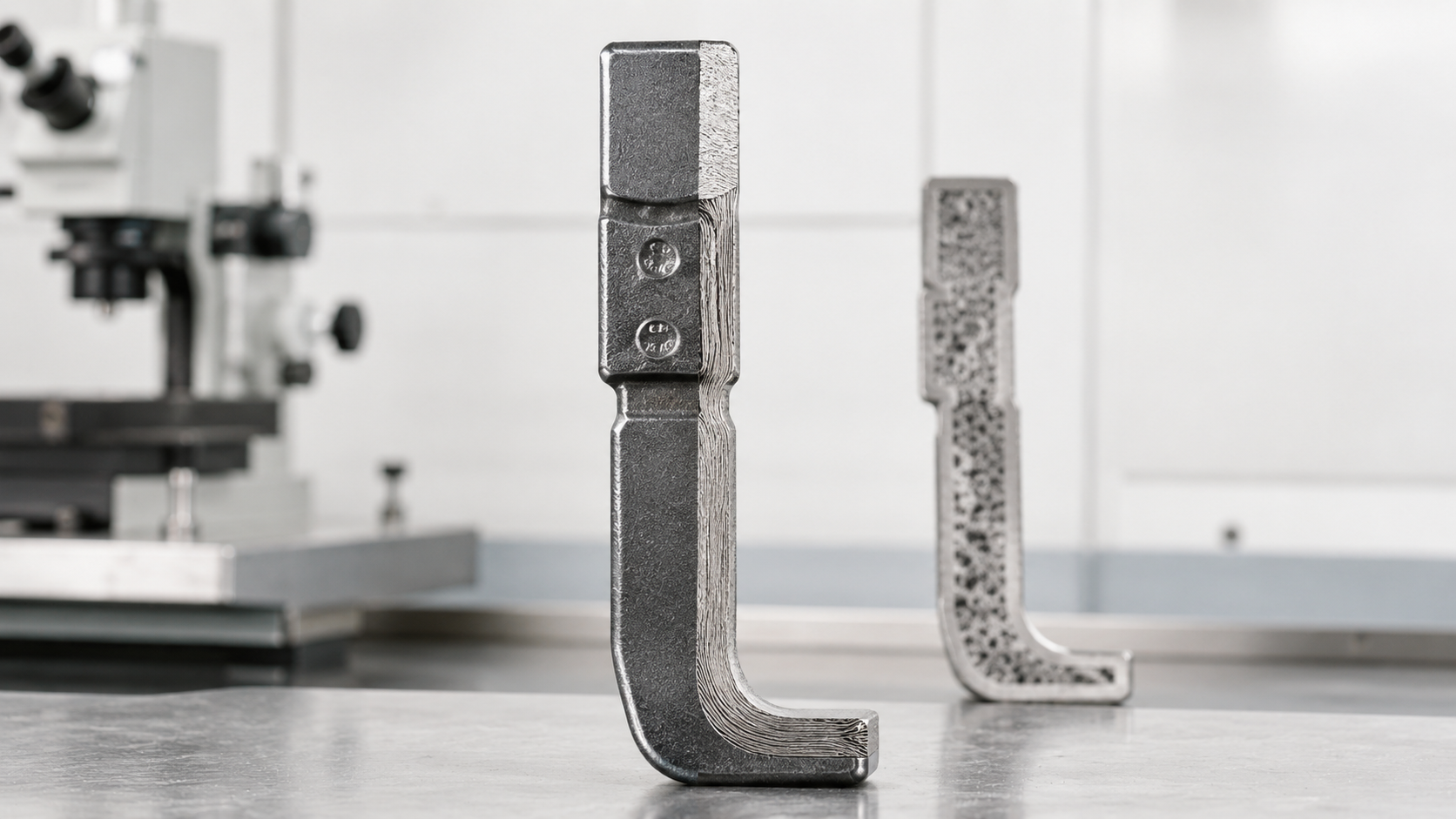
Avoid Common Transmission Removal Damage
Check Before Reassembly