Common Applications of Bearing Pullers
- Share
- Issue Time
- Jul 18,2026
Bearing pullers are used wherever a bearing, gear, pulley, hub, sleeve, or coupling is press-fitted to a shaft or installed in a housing. The correct tool applies controlled force without damaging surrounding parts. Technicians use jaw, separator, internal, and blind-hole pullers to remove shaft bearings, gears, sleeves, and housing-mounted components during transmission repair. Hub and axle applications may involve tight fits and high loads. Use equipment rated for the job and support the assembly so the pull stays straight. A puller can remove pulleys, gears, and couplings when it grips a strong shoulder behind the component. Protect the shaft end with the correct point or adapter. Motors, pumps, conveyors, and gear reducers commonly need bearing removal during planned maintenance. Internal pullers are useful where a bearing sits in a housing. Large machinery often requires longer reach, greater capacity, and hydraulic assistance. Verify access and tool rating before applying force to a seized component. Choose by component diameter, reach, spread, available grip surface, and expected load. A separator or internal puller is often safer than forcing standard jaws into poor access. Keep the forcing screw centered, increase force gradually, and stop when a component distorts or the tool shifts. Inspect mating surfaces before fitting the replacement part. For application guidance on workshop-ready puller tooling, contact DNT Tools.Where Are Bearing Pullers Commonly Used?
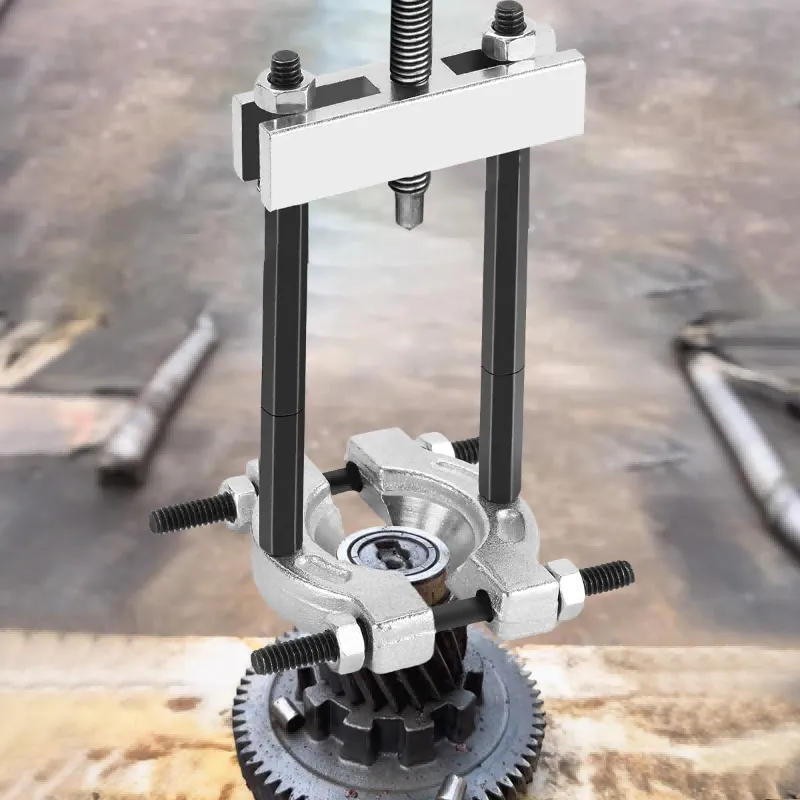
Transmission and Gearbox Service
Wheel Hub and Axle Work
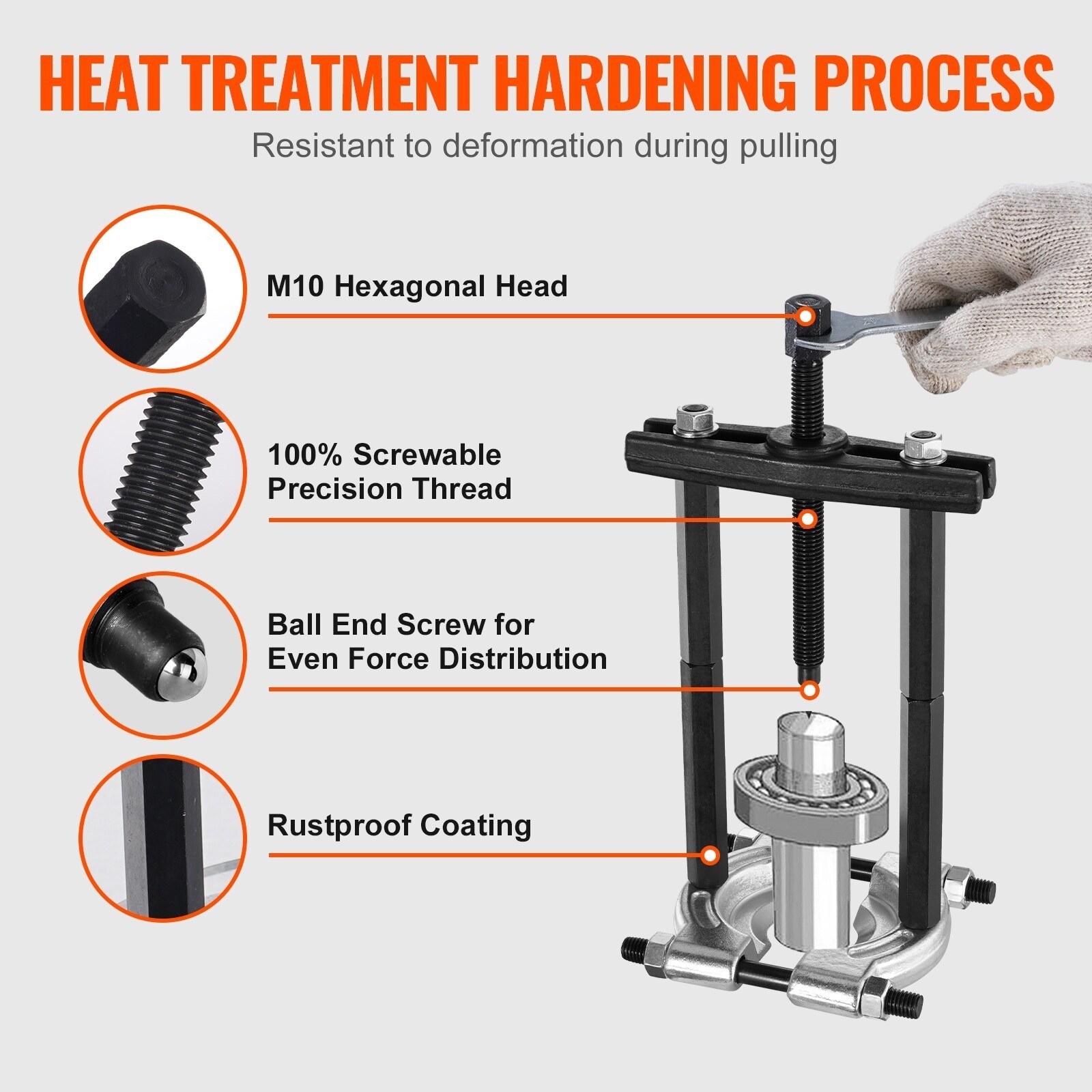
Pulley and Gear Removal
Electric Motor and Industrial Maintenance
Agricultural and Heavy Equipment Repairs
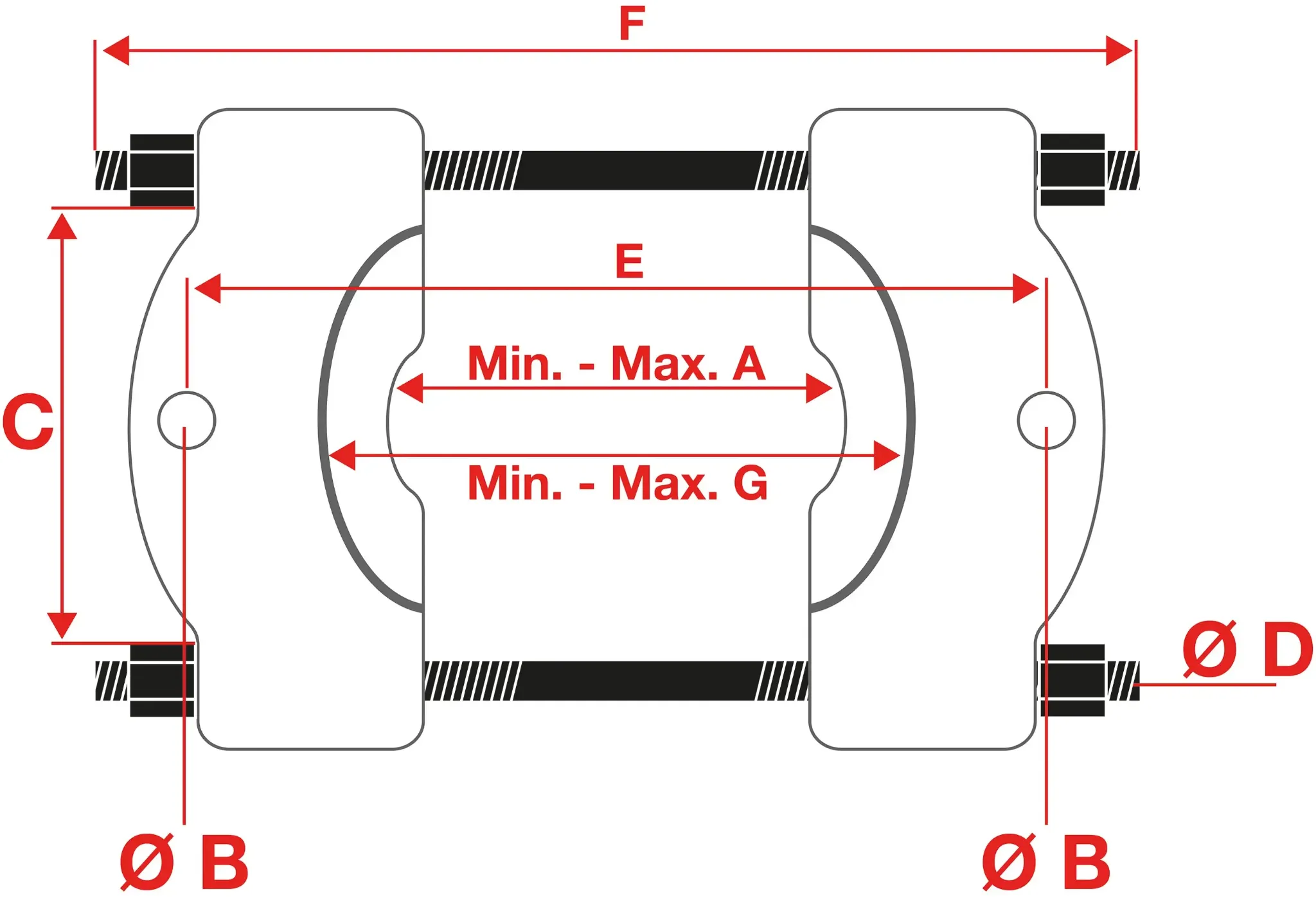
Match the Puller to the Access Problem
Use Controlled Force and Inspect the Result