The Best Puller Tools for Eaton Transmission Repairs
- Share
- Issue Time
- Aug 5,2026
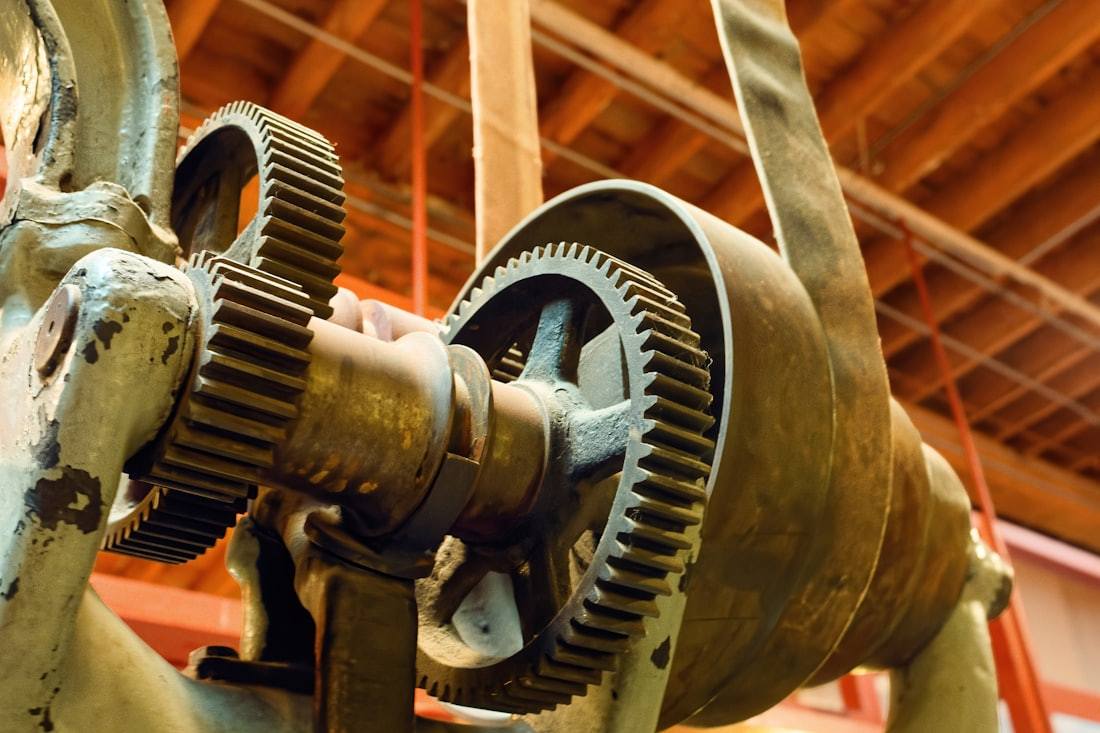
The best puller tools for Eaton transmission repairs are the ones that grip the correct bearing race, fit the available clearance, and apply force straight along the shaft. A separator-and-puller combination is often more useful than a hook puller alone when the bearing sits close to a gear.
Start with the repair procedure
Use the correct model-specific service information to identify retainers, removal direction, component clearances, and any special tooling requirements. A tool kit should support that procedure rather than replace it.
Use a bearing separator for close-clearance parts
A bearing separator gives a reliable shoulder behind a bearing when hooks cannot engage safely. Select a size that reaches behind the intended race without contacting gear teeth or the cage.
Match puller spread and reach to the assembly
Spread determines whether the tool can clear the component, while reach determines whether it can stay engaged through the extraction travel. Measure both before choosing a puller.
Select force control for heavy-duty work
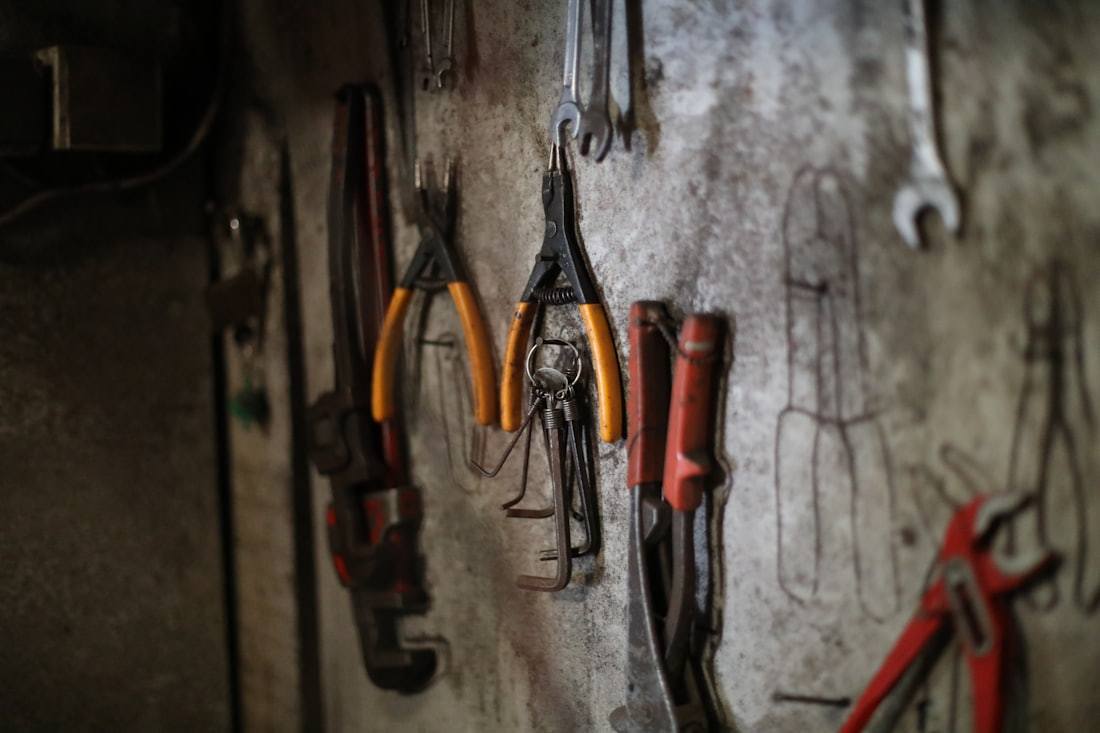
A screw puller offers precise incremental tension; hydraulic assistance may suit tightly fitted components when the fixture is stable and rated for the job. Never exceed the puller, separator, or support hardware rating.
Protect gears, shafts, and bearing surfaces
Put force through the race being removed and use pads or adapters where the procedure allows. Do not hook on gear teeth, drive through rolling elements, or lever against a transmission case.
Plan the workbench or vehicle-side setup
Support the transmission or subassembly so it cannot move as tension is applied. Good lighting, clear access, and a restrained component make the tool easier to inspect during each pull.
Use adapters instead of improvised spacers
Purpose-suited adapters help keep the forcing screw centered and reduce slipping. Improvised stacks can tilt under load and transfer force into the wrong component.
Inspect tools before every pull
Check forcing screws, threads, hooks, separator bolts, and crossheads for cracks, stretching, damaged threads, or distortion. Retire compromised components instead of trying to compensate with more force.
Make reassembly part of tool selection
Transmission repair also needs a controlled way to fit replacement bearings and related parts. Choose tooling that can support both removal and installation without damaging the new bearing.
Specify a practical puller set
For a workshop, document the bearing diameters, shaft lengths, clearance limits, and service volume. DNT Tools can use those details to suggest a practical puller, separator, and adapter combination.
For puller, separator, and workshop setup guidance matched to your application, contact the DNT Tools team with the bearing location, shaft diameter, and available clearance.