What Is a Bearing Puller and How Do Manufacturers Design It for Heavy-Duty Use?
- Share
- Issue Time
- Jan 30,2026
Summary
Discover what a bearing puller is, how it works, and the types used in precision extraction of bearings and shaft components for safe, efficient maintenance.
What Is a Bearing Puller?
A bearing puller is a specialized mechanical tool designed to safely remove bearings, pulleys, gears, and other shaft-mounted components from machinery. Unlike makeshift methods like hammers or chisels, a bearing puller applies controlled force to extract a component without damaging the shaft or surrounding parts, significantly reducing repair time and risk of collateral damage. This capability makes the tool indispensable in automotive, industrial, and heavy machinery maintenance.
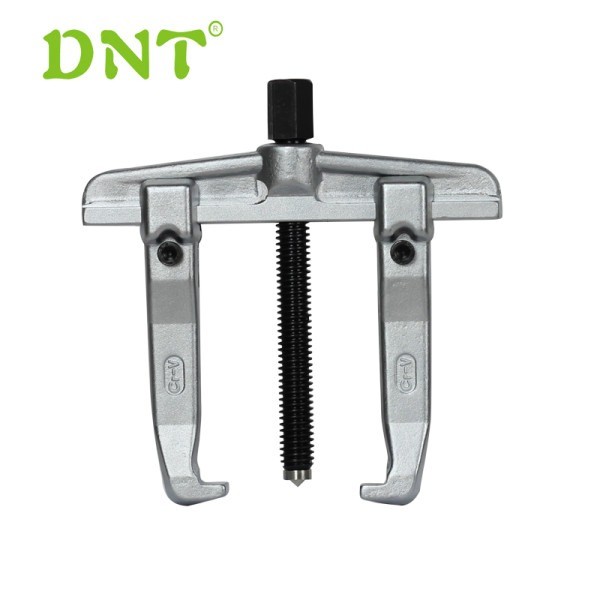
Core Functionality: Precision and Protection
A bearing puller works by gripping the component’s inner or outer surface with adjustable arms or claws while a central screw or hydraulic piston applies force to push the component off the shaft. The even, steady force prevents uneven stress and preserves the integrity of shafts, housings, and nearby parts. This precision is especially critical in scenarios where bearings are press-fit or tightly seated.
Why Bearing Pullers Matter in Heavy-Duty Applications
In heavy-duty environments — such as truck transmissions, large industrial gearboxes, or construction equipment — bearings often sit under high loads and extreme fits, making removal a significant challenge. A poorly executed bearing extraction can lead to costly downtime, damaged components, and extended repair cycles. Bearing pullers eliminate these risks by offering controlled extraction that protects both expensive machinery and technicians.
Types of Bearing Pullers and Their Roles
External Pullers
Ideal when there’s access to the outside of a bearing, using two or three arms to grip and pull outward.
Internal Pullers
Best for bearings located inside housings or blind holes, where the tool grips from within.
Hydraulic Pullers
Use hydraulic force to deliver high pulling power for large, stuck, or precision-critical bearings.
Engineering Heavy-Duty Bearing Pullers: Key Design Considerations
Material Strength and Durability
Heavy-duty pullers are typically forged or machined from high-strength tool steel to withstand repeated high loads and resist deformation. Hardened components and heat-treated surfaces ensure longevity in harsh workshop environments.
Load Capacity and Precision Force Control
For heavy applications, hydraulic or hydraulically-assisted pullers are engineered with high-pressure cylinders and precision control to deliver smooth, high-force extraction, minimizing the risk of sudden failures or slips during use.
Modularity and Accessibility
Manufacturers often design puller kits with interchangeable arms, jaw sizes, and extension attachments so technicians can adapt the tool to different bearing sizes and confined spaces without sacrificing performance.
Optimizing Safety and Efficiency in Real-World Use
For heavy-duty mechanics and maintenance professionals, using the right bearing puller greatly enhances workplace safety. The controlled removal mechanism reduces reliance on brute force, lowers the potential for injuries, and protects surrounding components from accidental damage. Structured sets with clear capacity ratings also help technicians select the correct tool for each task, improving accuracy and maintenance efficiency across the board.