- Ningbo Dongning Tools Co.,Ltd
- Professional Chinese Tools manufacturer on automotive speciality tools,bearing puller&heavy truck tools
- Address
- No.6 Falan Rd,Hengjie Town,Ningbo City,Zhejiang,China
- Phone
- +86-574-87216625
- info@nbdntools.com
Direct answer: A hydraulic puller can deliver higher, more controllable extraction force than a hand-operated screw puller. In heavy-duty transmission repair, this is useful for tightly fitted bearings, gears, hubs, and couplings when the tool is correctly sized and centered.
A hydraulic puller can deliver higher, more controllable extraction force than a hand-operated screw puller. In heavy-duty transmission repair, this is useful for tightly fitted bearings, gears, hubs, and couplings when the tool is correctly sized and centered.
A larger force source is not automatically the best choice. Start with the component fit, puller access, expected resistance, and service information; a manual puller may be more practical for lighter parts and better feedback.

Hydraulic force magnifies alignment errors. Center the ram or screw on the shaft axis, seat the jaws or separator evenly, and support the transmission assembly so the load does not pull sideways.
Where jaws cannot reach safely behind an inner ring, use a bearing separator or dedicated attachment that provides a flat, even pulling surface. Do not pull on gear teeth, cages, seals, or thin cast edges.
Increase pressure gradually and watch for even movement. If the component does not move as expected, release force and inspect for retainers, corrosion, a distorted contact point, or an incorrect puller arrangement.
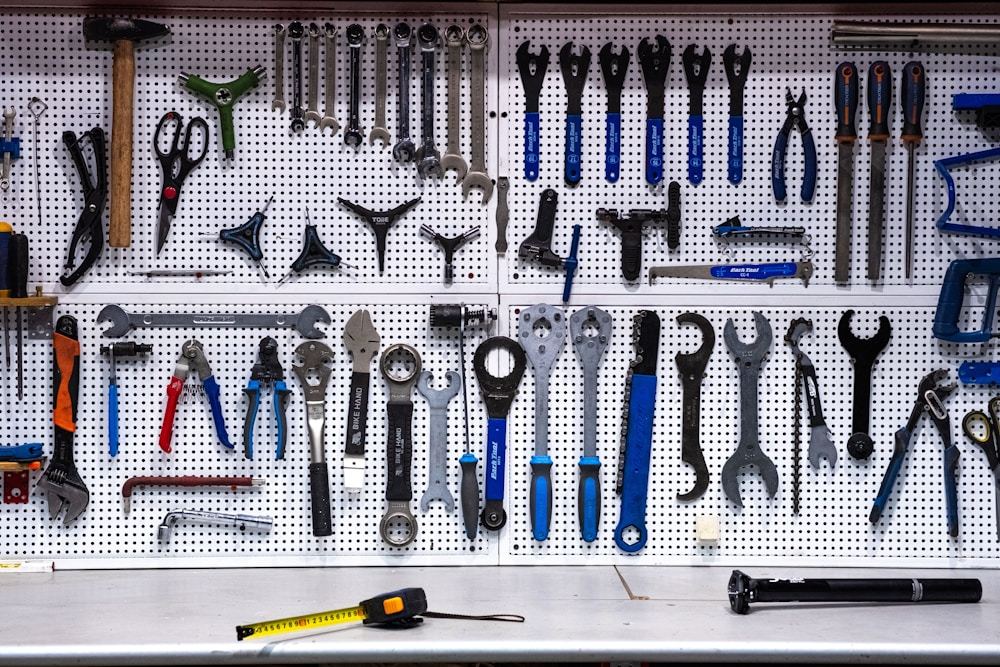
Use reaction plates, sleeves, blocks, and stable supports to direct force through strong areas. This helps avoid scoring a shaft, cracking a housing, or transferring load into adjacent gears.
Check hoses, couplers, seals, pump condition, ram travel, and rated capacity. Keep hands clear of the loaded path, use suitable eye protection, and never stand in line with a loaded puller.
Prepare installation sleeves, press adapters, heating equipment where approved, and clean storage for the removed parts. This reduces handling damage and makes the rebuild sequence easier to control.
A hydraulic puller becomes valuable when a workshop repeatedly handles large transmission assemblies with verified high extraction loads. DNT Tools can help review the component dimensions and recurring service work when selecting a suitable configuration.
For a puller, separator, or support setup matched to your application, contact DNT Tools with the bearing, shaft, and housing dimensions.