Automotive Specialty Tools vs Standard Hand Tools
Understanding the Difference Between Tool Types
Automotive repair relies on two main categories of tools: standard hand tools and automotive specialty tools. While both are essential in a professional workshop, they serve different purposes. Hand tools are general-purpose tools used across many industries, whereas automotive specialty tools are designed specifically for vehicle systems and repair procedures.

What Are Standard Hand Tools
Standard hand tools are manually operated tools such as wrenches, sockets, screwdrivers, and pliers. These tools are highly versatile and can be used for a wide range of mechanical tasks. Because they are powered by hand and not designed for a specific system, they are considered the foundation of any workshop toolkit.
Key Characteristics
Hand tools are simple, flexible, and adaptable to multiple applications. They provide precise control and are suitable for general maintenance tasks such as loosening fasteners, assembling components, and basic vehicle servicing.
What Are Automotive Specialty Tools
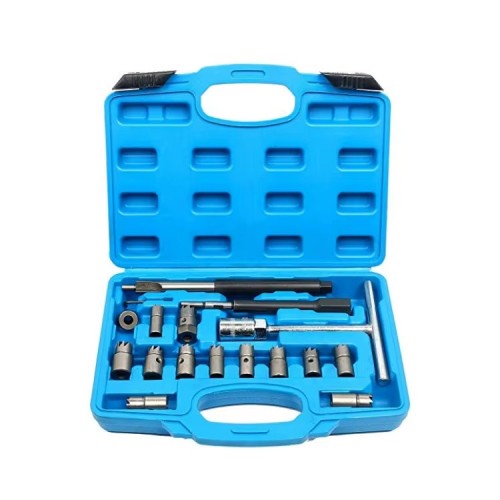
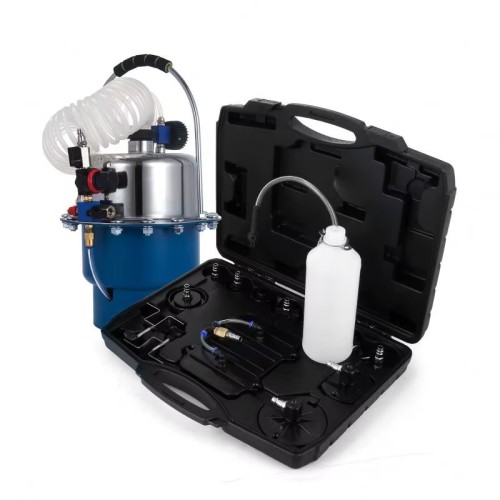
Automotive specialty tools are engineered for specific repair tasks related to vehicle systems. These tools are designed to match the structure and requirements of automotive components, such as engines, braking systems, and suspension assemblies.
Examples of Specialty Tools
Examples include bearing pullers, brake caliper tools, timing tool kits, injector pullers, and diagnostic scanners. These tools are often required for tasks that standard hand tools cannot perform efficiently or safely.
Core Differences Between Specialty Tools and Hand Tools
Application Scope
Hand tools are used across many types of mechanical work, while specialty tools are designed for specific automotive tasks. For example, a wrench can be used in many industries, but a bearing puller is specifically designed for removing press-fit components.
Precision and Function
Specialty tools are built to meet precise technical requirements, such as applying controlled force or aligning engine timing components. Hand tools provide general functionality but may not achieve the same level of precision for specialized operations.
Efficiency and Safety
Using the correct specialty tool improves efficiency and reduces the risk of damaging parts. Attempting to perform specialized tasks with standard hand tools can lead to improper installation, component damage, or safety risks.
Cost and Investment
Hand tools are generally more affordable and form the basic toolkit for any mechanic. Specialty tools require additional investment but are essential for advanced repairs and professional service capabilities.
How Workshops Use Both Together
In professional automotive workshops, hand tools and specialty tools are used together rather than as alternatives. Hand tools handle general assembly and disassembly, while specialty tools are used for specific operations such as bearing removal, brake servicing, and engine timing adjustments.
Summary
Standard hand tools and automotive specialty tools serve different but complementary roles in vehicle repair. Hand tools provide versatility and are essential for everyday tasks, while specialty tools deliver precision and efficiency for complex automotive operations. A well-equipped workshop requires both to achieve high-quality repair results.