Workshop Efficiency: Using the Right Specialty Tools
The Role of Specialty Tools in Workshop Efficiency
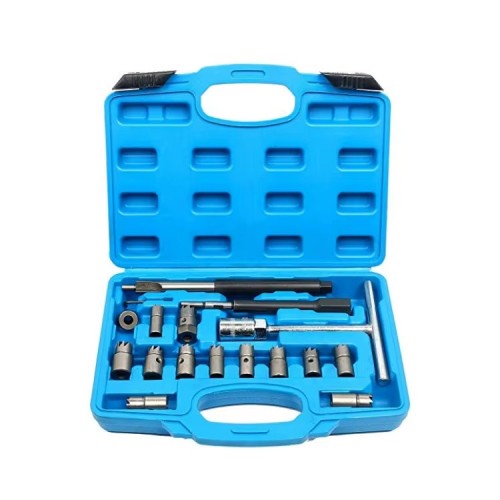
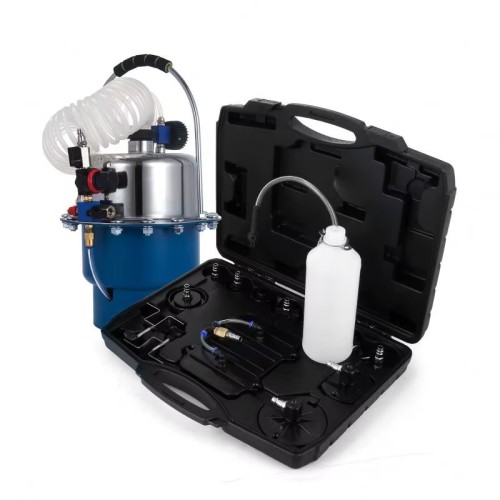
Workshop efficiency depends heavily on using the right tools for each repair task. Automotive specialty tools are designed to match specific components and procedures, allowing technicians to complete jobs faster, reduce errors, and improve overall workflow. When the correct tools are available, repair operations become more predictable and consistent.
Reducing Repair Time with the Right Tools
Using specialized tools eliminates unnecessary steps and simplifies complex repair processes. Tools such as pullers, alignment kits, and diagnostic devices allow technicians to perform tasks directly without trial-and-error, significantly reducing repair time and improving job turnaround speed.
Improving Accuracy and First-Time Fix Rates
Specialty tools are engineered for precision, ensuring correct alignment, controlled force application, and accurate installation. This reduces the need for rework and increases the likelihood that repairs are completed correctly the first time, improving customer satisfaction and workshop reputation.
Enhancing Workflow and Productivity
Efficient workshops rely on smooth workflows where tools are readily available and tasks are standardized. Having the right tools reduces delays, minimizes movement between work areas, and allows technicians to focus on completing jobs efficiently. Proper tool selection directly contributes to higher productivity and better time management.
Minimizing Downtime
When technicians have immediate access to the correct tools, they avoid interruptions caused by searching for equipment or improvising solutions. This minimizes downtime and ensures continuous workflow throughout the repair process.
Supporting Advanced Vehicle Technology
Modern vehicles include advanced electronic systems and complex mechanical assemblies that require specialized tools. Diagnostic equipment and system-specific tools allow workshops to handle new technologies efficiently, keeping them competitive in a rapidly evolving automotive industry.
Improving Safety and Reducing Risk
Using the correct specialty tools reduces the risk of injury and component damage. Tools designed for high-load or high-precision tasks provide better control and stability, ensuring safe operation during repair procedures and protecting both technicians and vehicles.
The Impact of Tool Organization
Tool organization plays a critical role in efficiency. Well-organized storage systems such as tool cabinets and shadow boards allow technicians to quickly locate tools, reducing wasted time and improving workflow consistency. Organized workspaces contribute to a more productive and professional repair environment.
Long-Term Benefits for Workshops
Investing in the right specialty tools leads to long-term benefits, including increased productivity, reduced labor time, and improved service quality. Workshops that adopt proper tools and processes can handle more jobs, reduce operational costs, and build stronger customer trust.
Summary
Using the right automotive specialty tools is essential for improving workshop efficiency. These tools reduce repair time, enhance accuracy, streamline workflows, and improve safety. By investing in proper tools and organization, workshops can achieve higher productivity and deliver better service outcomes.