- Ningbo Dongning Tools Co.,Ltd
- Professional Chinese Tools manufacturer on automotive speciality tools,bearing puller&heavy truck tools
- Address
- No.6 Falan Rd,Hengjie Town,Ningbo City,Zhejiang,China
- Phone
- +86-574-87216625
- info@nbdntools.com

The safest method is to follow the gearbox-specific service procedure, release every retainer, support the shaft and case, then use a correctly sized puller that loads the intended bearing ring. Pull gradually in line with the countershaft and stop immediately if the bearing cocks or the tool loses its grip.
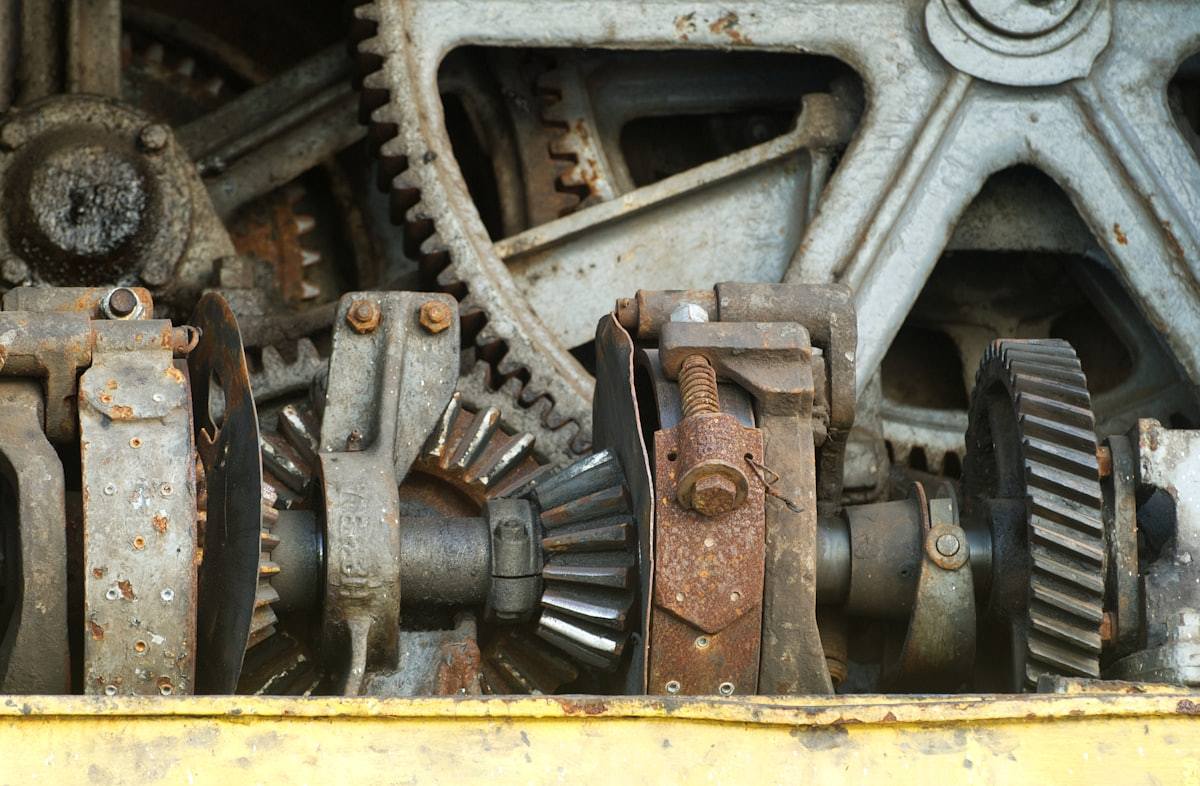
Countershaft layouts, bearing covers, snap rings, shims, and puller access vary by transmission. Confirm the exact model and approved procedure before disassembly. A method that is correct for one gearbox can damage another when the bearing is retained or supported differently.
Remove covers, snap rings, locks, and other retention features exactly as specified. Do not interpret resistance as proof that more force is needed. It can indicate a hidden retainer, incorrect pull direction, or a procedure that requires the shaft to move before the bearing is accessible.
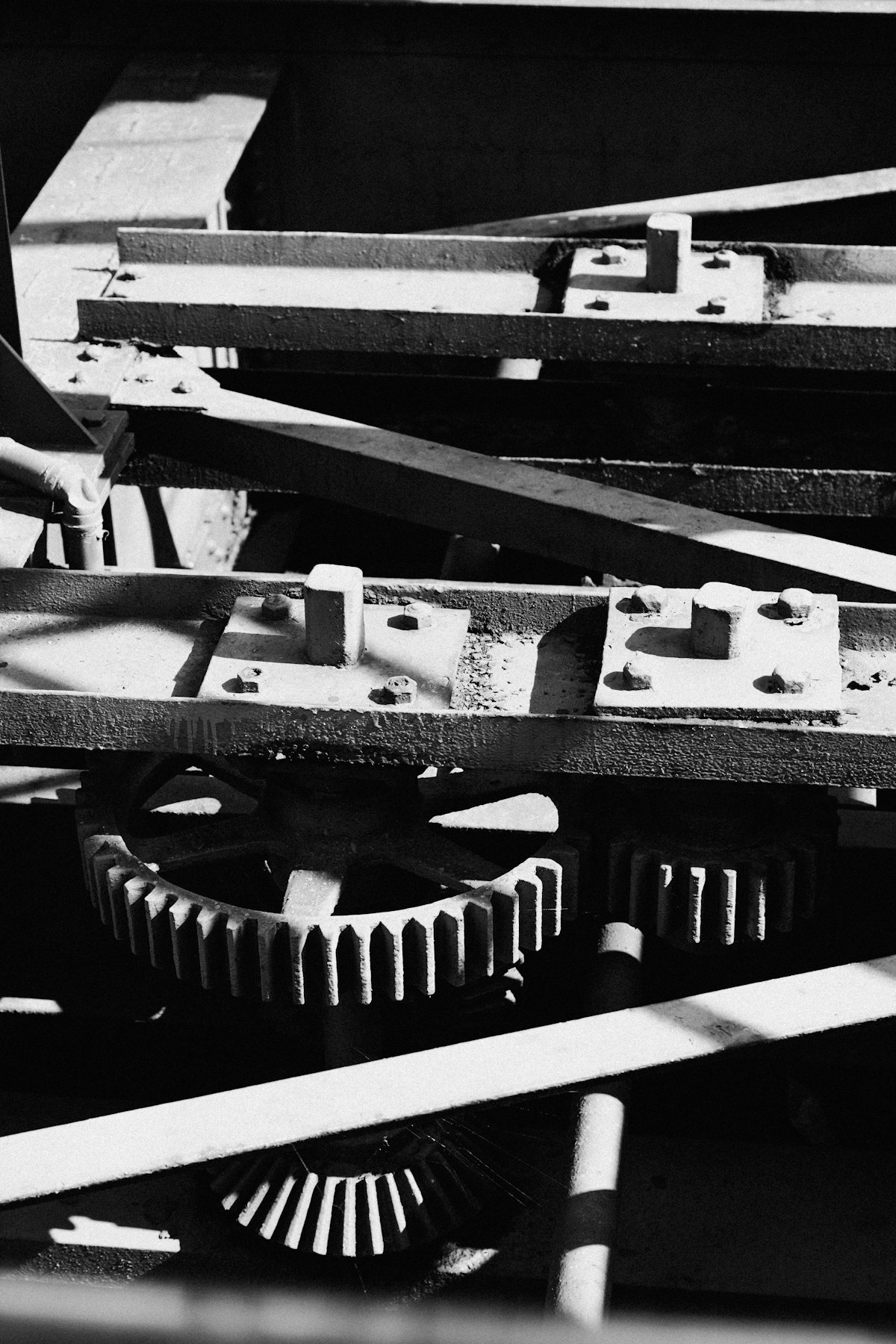
Use a puller, separator, collet, or model-specific attachment that seats behind the intended bearing ring. Avoid loading the cage, rollers, or thin gearbox casting. When clearance is limited, a bearing separator or special puller attachment can provide a safer contact point than ordinary jaws.
Set the forcing screw or hydraulic ram on a suitable center point and check alignment from multiple angles. A self-centering arrangement helps reduce side load. The puller should draw the bearing along the countershaft centerline, not bend the shaft or pry against the case.
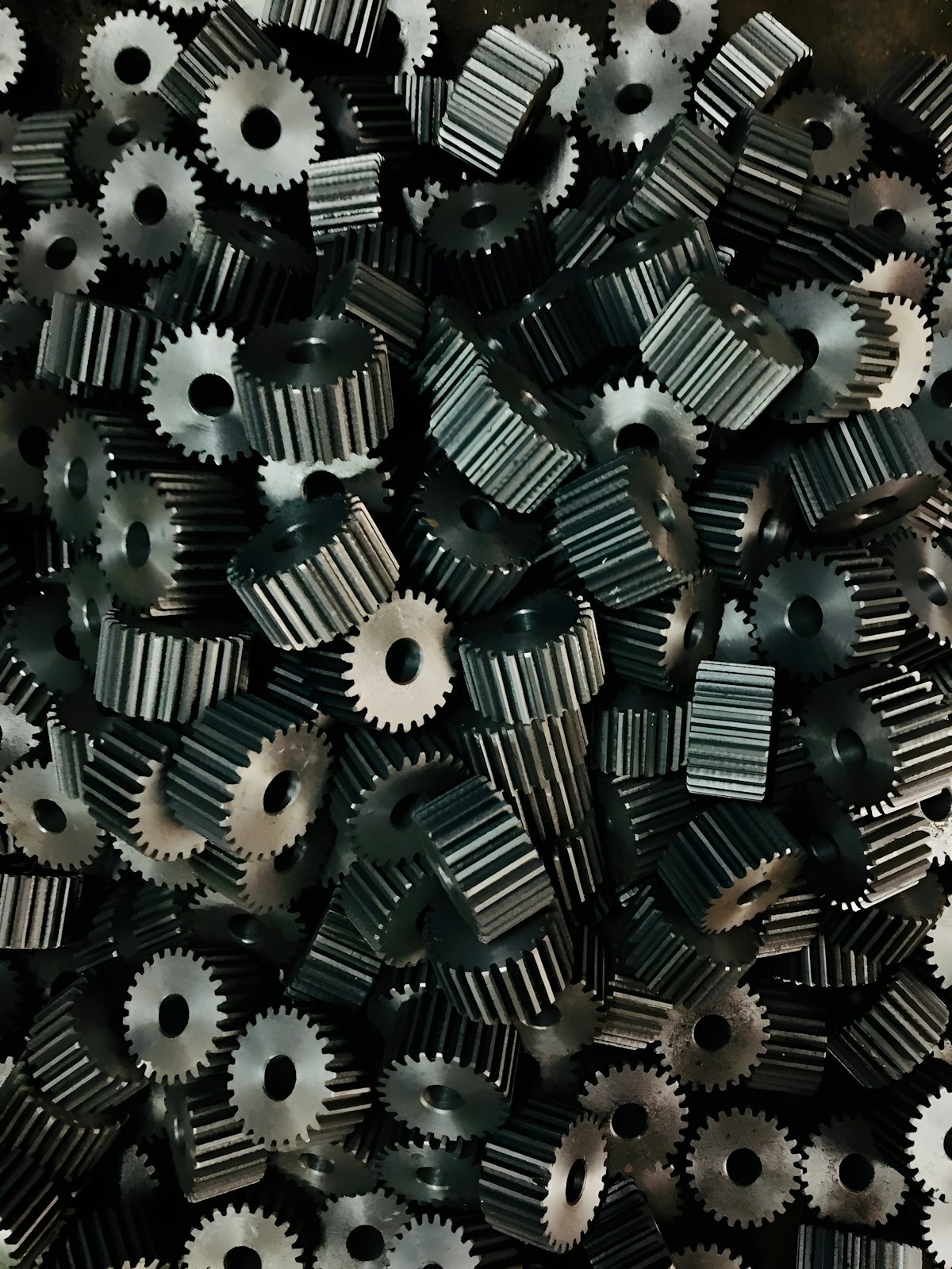
Stop if the bearing does not move as expected, a jaw begins to slip, or the load transfers to an unintended component. Recheck the service procedure, retention features, puller reach, and support point. Forcing a stuck bearing risks scoring the shaft, distorting a housing, or damaging reusable gears.
After removal, inspect the countershaft journal, bore, shoulder, and adjacent gears for scoring, fretting, discoloration, or metal transfer. Clean the parts before deciding on replacement components and use the specified installation driver or press support for reassembly.
Ask for application guidance when the gearbox design leaves little clearance, the bearing ring is inaccessible, or you need a puller configuration for repeated workshop work. DNT Tools can help assess dimensions, access, and service conditions; contact the support team with the available measurements.