- Ningbo Dongning Tools Co.,Ltd
- Professional Chinese Tools manufacturer on automotive speciality tools,bearing puller&heavy truck tools
- Address
- No.6 Falan Rd,Hengjie Town,Ningbo City,Zhejiang,China
- Phone
- +86-574-87216625
- info@nbdntools.com

Identify the bearing ring, gear, shaft shoulder, and housing contact before force is applied. Follow the model-specific service procedure for retainers and removal direction.
Remove debris and examine splines, seal lands, threads, and shoulders. Existing scoring or fretting can change how safely a puller or separator seats.
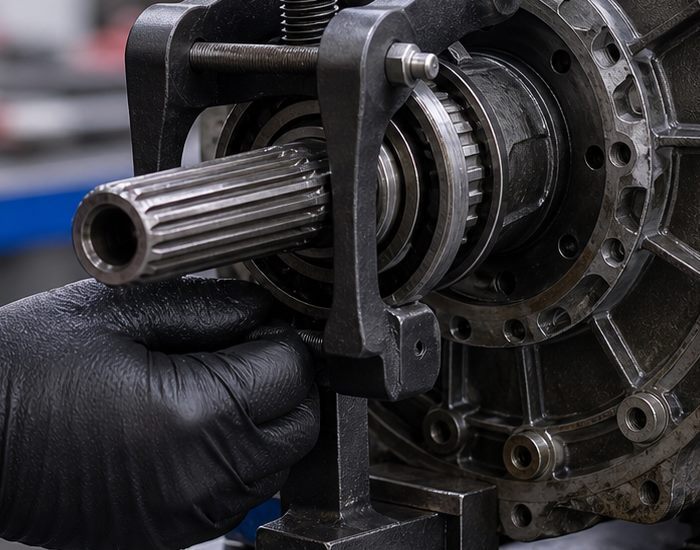
For a bearing on a shaft, support the ring intended to carry the extraction load. Do not route removal force through balls, rollers, or a cage unless the official procedure specifies it.
A forcing screw that is off-center can slip, mark the shaft end, or cock the bearing. Use a suitable protector or adapter where a direct screw contact is not intended.
A bearing separator can create an even grip behind an inner ring when puller jaws cannot reach safely. Close both halves evenly and confirm full contact before loading.
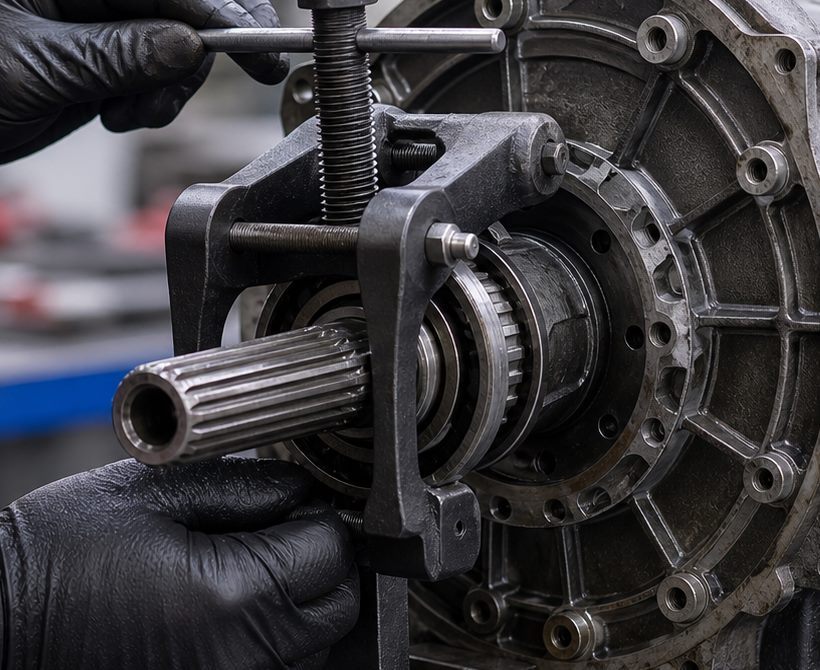
Support the shaft and component so they cannot bend, drop, or twist as the fit releases. Keep puller legs clear of seal surfaces, gear teeth, and case edges.
Do not compensate for a shifting setup by adding more force. Release load, inspect the fixture, and check for an overlooked retainer, interference, or incorrect contact surface.
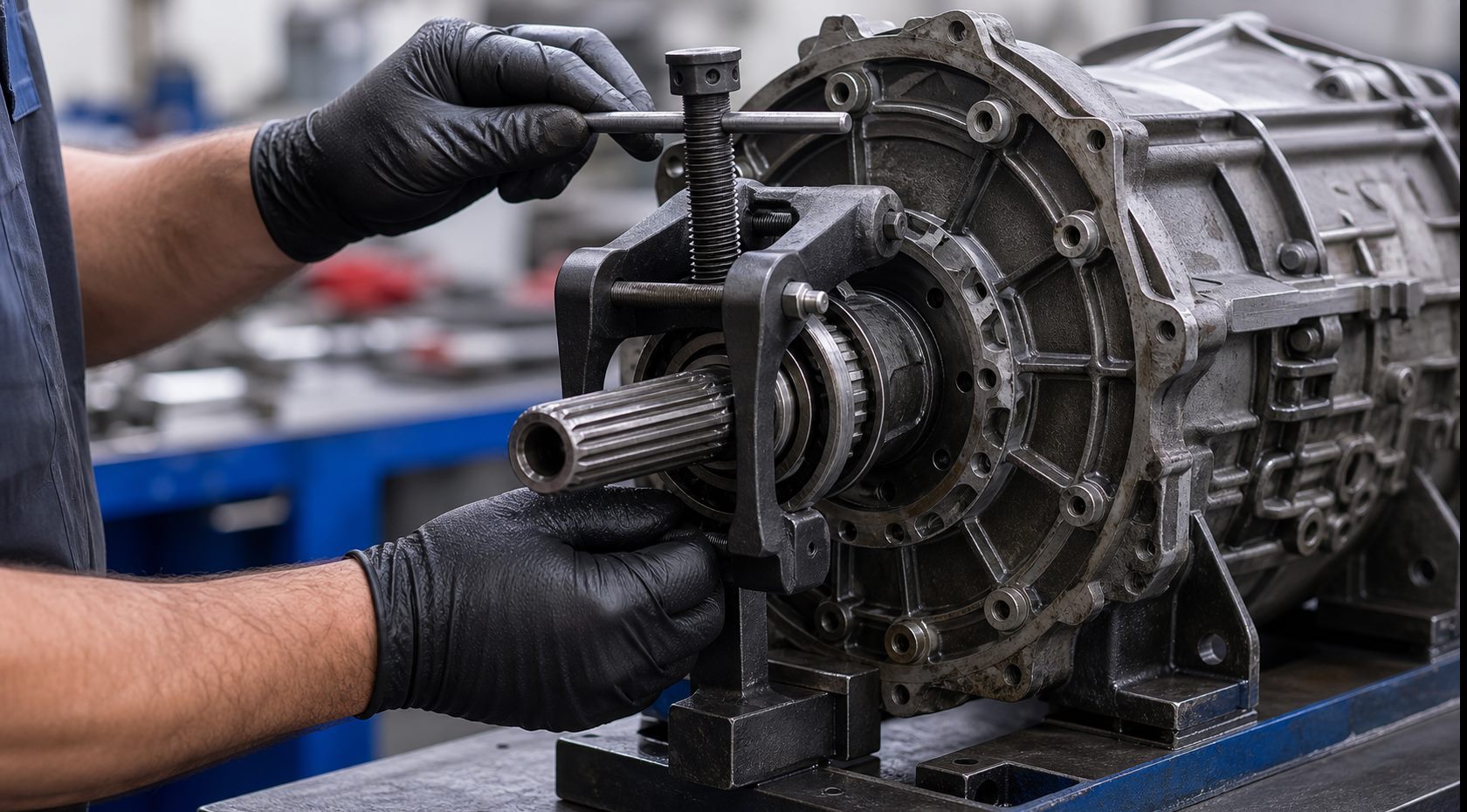
Check for raised metal, scoring, heat marks, and damage at the bearing seat. Correcting a surface issue before reassembly helps protect the replacement bearing and fit.
Plan the correct sleeve, press support, heating method, or installation tool so force goes only through the proper ring. DNT Tools can help define a setup around your shaft and bearing dimensions.
For a puller, separator, or support fixture matched to your application, contact DNT Tools with the bearing and housing dimensions.